What is the efficiency of an Esp Pump Housing?
As a supplier of ESP (Electric Submersible Pump) pump housings, I’ve had the privilege of delving deep into the world of these crucial components. The efficiency of an ESP pump housing is a multi – faceted concept that impacts not only the performance of the pump but also the overall cost – effectiveness and reliability of the pumping system. Esp Pump Housing
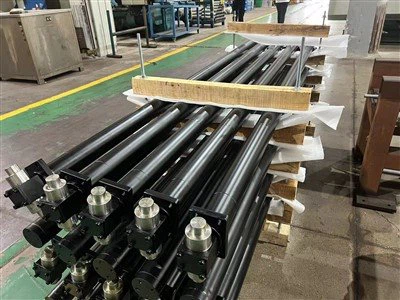
Understanding the Basics of ESP Pump Housings
ESP pump housings are the outer enclosures that protect the internal components of the pump, such as the motor, impellers, and diffusers. They are designed to withstand high pressures, corrosive environments, and mechanical stresses. The material of the housing plays a significant role in its efficiency. Common materials include stainless steel, cast iron, and fiberglass – reinforced plastic. Each material has its own set of properties that affect the housing’s performance.
Stainless steel housings are known for their excellent corrosion resistance. In applications where the pumped fluid contains corrosive elements, such as in oil and gas production or chemical processing, stainless steel housings can ensure a long service life. However, they can be more expensive than other materials. Cast iron housings are more cost – effective and have good mechanical strength. They are suitable for less corrosive environments and applications where cost is a major consideration. Fiberglass – reinforced plastic housings are lightweight, corrosion – resistant, and can be molded into complex shapes. They are often used in applications where weight is a concern, such as in offshore platforms.
Hydraulic Efficiency
One of the most important aspects of an ESP pump housing’s efficiency is its hydraulic efficiency. The housing is designed to guide the flow of fluid through the pump in the most efficient way possible. A well – designed housing will minimize turbulence and pressure losses, allowing the pump to operate at its optimal performance.
The shape of the housing’s internal passages is crucial for hydraulic efficiency. Smooth, streamlined passages reduce friction and allow the fluid to flow more freely. The design also needs to ensure that the fluid is evenly distributed across the impellers and diffusers. If the fluid is not evenly distributed, some parts of the impellers may not be operating at their full capacity, leading to reduced efficiency.
Another factor that affects hydraulic efficiency is the clearance between the impellers and the housing. If the clearance is too large, there will be a significant amount of leakage, which reduces the pump’s efficiency. On the other hand, if the clearance is too small, there is a risk of mechanical interference, which can cause damage to the pump.
Thermal Efficiency
ESP pumps generate a significant amount of heat during operation. The efficiency of the pump housing in dissipating this heat is crucial for the long – term performance and reliability of the pump. A housing with good thermal conductivity can transfer the heat away from the internal components, preventing overheating.
Materials with high thermal conductivity, such as copper and aluminum, can be used in the housing design to improve thermal efficiency. Additionally, the housing can be designed with fins or other heat – dissipating structures to increase the surface area available for heat transfer.
Mechanical Efficiency
The mechanical efficiency of an ESP pump housing is related to its ability to support the internal components and withstand mechanical stresses. The housing needs to be rigid enough to prevent deformation under high pressures and vibrations. A well – designed housing will have a proper balance between strength and weight.
The manufacturing process of the housing also affects its mechanical efficiency. Precision machining and high – quality welding techniques can ensure that the housing has the required dimensional accuracy and structural integrity. Any defects in the manufacturing process, such as cracks or uneven surfaces, can lead to reduced mechanical efficiency and potentially cause premature failure of the pump.
Impact on Overall Pump Performance
The efficiency of the ESP pump housing has a direct impact on the overall performance of the pump. A highly efficient housing can improve the pump’s flow rate, head, and power consumption. For example, a pump with a well – designed housing can deliver a higher flow rate at a lower power input, which translates into cost savings for the end – user.
In addition, the efficiency of the housing can also affect the reliability of the pump. A housing that can effectively protect the internal components from corrosion, wear, and mechanical damage will extend the service life of the pump, reducing maintenance costs and downtime.
Real – World Applications and Case Studies
In the oil and gas industry, ESP pumps are widely used for artificial lift operations. The efficiency of the pump housing is critical in these applications, as the pumps need to operate in harsh environments for long periods of time. For example, in a deep – water oil well, the pump housing needs to withstand high pressures and corrosive seawater. A high – efficiency housing can ensure that the pump operates reliably, reducing the risk of production interruptions.
In the water treatment industry, ESP pumps are used for water supply and wastewater treatment. The efficiency of the pump housing can impact the energy consumption of the treatment plant. A more efficient housing can reduce the power required to pump the water, leading to significant cost savings over the long term.
Improving the Efficiency of ESP Pump Housings
As a supplier, we are constantly working on improving the efficiency of our ESP pump housings. We invest in research and development to explore new materials and manufacturing techniques. For example, we are exploring the use of advanced composites that offer a combination of high strength, corrosion resistance, and lightweight properties.
We also work closely with our customers to understand their specific requirements and design customized solutions. By tailoring the housing design to the specific application, we can optimize the efficiency of the pump.
Conclusion

The efficiency of an ESP pump housing is a complex and multi – dimensional concept that encompasses hydraulic, thermal, and mechanical aspects. A high – efficiency housing can significantly improve the performance, reliability, and cost – effectiveness of the pump. As a supplier, we are committed to providing our customers with the best – in – class ESP pump housings that meet their specific needs.
Cold Drawn Steel Tube If you are in the market for ESP pump housings and are interested in discussing how our products can meet your requirements, we encourage you to reach out to us. Our team of experts is ready to assist you in finding the most efficient and reliable solutions for your pumping applications.
References
- Perry, R. H., & Green, D. W. (1997). Perry’s Chemical Engineers’ Handbook (7th ed.). McGraw – Hill.
- Karassik, I. J., Messina, J. P., Cooper, P. W., & Heald, C. C. (2008). Pump Handbook (4th ed.). McGraw – Hill.
Jiangsu Ying Naisi Machinery Manufacturing Co., Ltd.
We are one of the most professional esp pump housing manufacturers and suppliers in China, also support customized service. We warmly welcome you to buy bulk esp pump housing in stock here from our factory. Quality products and low price are available.
Address: No.5 Industrial Road Panjia Industrial Zone. Xueyan Town, Wujin District, Changzhou City,Jiangsu Province China.
E-mail: mary@cnhengjiu.com
WebSite: https://www.ynstube.com/
