Hey there! I’m a supplier of PPR pipe machines, and I’m super stoked to chat with you about the technical parameters of these bad boys. Whether you’re a newbie in the plumbing industry or a seasoned pro looking to upgrade your equipment, understanding these parameters is key to making the right choice. So, let’s dive in! PPR Pipe Machine

Production Capacity
One of the first things you’ll want to know about a PPR pipe machine is its production capacity. This is usually measured in meters per hour (m/h) or kilograms per hour (kg/h). The production capacity depends on a few factors, like the size of the pipes you’re making, the speed of the machine, and the efficiency of the extrusion process.
For smaller pipes, say around 20mm in diameter, a decent PPR pipe machine can churn out anywhere from 100 to 200 meters per hour. But if you’re making larger pipes, like 110mm or more, the production speed might drop to around 30 to 50 meters per hour. It’s all about finding the right balance between speed and quality.
Pipe Diameter and Wall Thickness
The range of pipe diameters and wall thicknesses that a PPR pipe machine can handle is another crucial parameter. Most machines can produce pipes with diameters ranging from 20mm to 110mm, but some high – end models can go even larger.
Wall thickness is also important. PPR pipes come in different wall thicknesses depending on their intended use. For example, pipes used in residential plumbing might have a thinner wall, while those used in industrial applications need to be thicker for added strength. A good PPR pipe machine should be able to adjust the wall thickness easily to meet your specific requirements.
Extrusion System
The extrusion system is the heart of a PPR pipe machine. It’s responsible for melting the PPR raw material and shaping it into pipes. There are a few key components to look at in the extrusion system.
The screw is a vital part. It needs to have the right design and pitch to ensure proper melting and mixing of the PPR material. A well – designed screw can improve the quality of the pipes and increase the production efficiency. The barrel, which houses the screw, also plays an important role. It needs to be made of high – quality materials that can withstand high temperatures and pressures.
The die is another critical component. It determines the shape and size of the pipes. A good die should be made of precision – machined materials to ensure accurate pipe dimensions.
Cooling System
Once the pipes are extruded, they need to be cooled down quickly to set their shape. The cooling system is responsible for this. There are two main types of cooling systems: water cooling and air cooling.
Water cooling is more common and effective. It involves passing the pipes through a water tank to remove heat rapidly. The water temperature and flow rate need to be carefully controlled to ensure uniform cooling and prevent warping or cracking of the pipes.
Air cooling can be used in some cases, especially for smaller pipes or when water is scarce. However, it’s generally less efficient than water cooling.
Control System
A modern PPR pipe machine should have a user – friendly control system. This system allows you to adjust various parameters such as temperature, speed, and pressure. It also provides real – time monitoring of the production process, so you can detect and fix any issues quickly.
Some control systems come with touch – screen interfaces, which make it easy to operate the machine. You can set up different production recipes for different pipe sizes and wall thicknesses, saving you time and effort.
Cutting System
After the pipes are cooled, they need to be cut to the desired length. The cutting system should be accurate and efficient. There are different types of cutting systems, such as saw cutting and laser cutting.
Saw cutting is the most common method. It’s relatively simple and cost – effective. However, it can sometimes leave rough edges on the pipes. Laser cutting, on the other hand, provides a clean and precise cut, but it’s more expensive.
Quality and Reliability
When choosing a PPR pipe machine, quality and reliability are non – negotiable. You want a machine that can run smoothly for long periods without breaking down. Look for machines that are made of high – quality materials and have a good reputation in the market.
It’s also a good idea to check the warranty and after – sales service. A reliable supplier should offer a reasonable warranty period and be able to provide prompt support in case of any problems.
Energy Efficiency
Energy efficiency is becoming increasingly important in today’s world. A PPR pipe machine that consumes less energy can save you a lot of money in the long run. Look for machines that use advanced technologies to reduce energy consumption, such as variable frequency drives and energy – saving heaters.
Noise Level
The noise level of the machine is another factor to consider, especially if you’re operating it in a residential or noise – sensitive area. A quiet machine can make your working environment more comfortable and reduce the risk of noise pollution.
Maintenance and Upkeep
Finally, you need to consider the maintenance and upkeep of the PPR pipe machine. A machine that’s easy to maintain will save you time and money. Look for machines that have accessible parts and clear maintenance instructions.
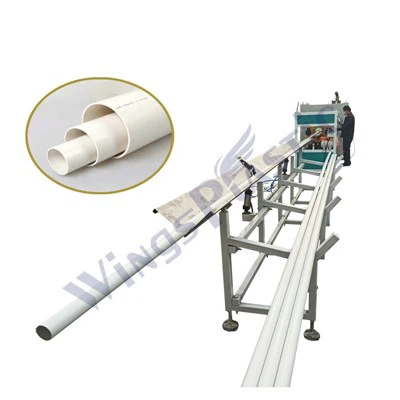
So, there you have it! These are the main technical parameters of a PPR pipe machine. If you’re in the market for a PPR pipe machine, I’d love to have a chat with you. I can help you find the right machine that meets your specific needs and budget. Whether you’re a small business looking to start producing PPR pipes or a large – scale manufacturer looking to upgrade your equipment, I’ve got you covered.
Plastic Spiral Corrugated Pipe Machine Get in touch with me if you’re interested in learning more or if you have any questions. Let’s work together to take your PPR pipe production to the next level!
References
- Plastics Pipe Institute (PPI). (2023). PPR Pipe Manufacturing Guidelines.
- Society of Plastics Engineers (SPE). (2023). Technical Handbook for Extrusion Processes.
Qingdao Wings Plastic Technology Co., Ltd.
As one of the most experienced ppr pipe machine manufacturers and suppliers in China, we also support customized service. Please feel free to buy durable ppr pipe machine made in China here from our factory. For price consultation, contact us.
Address: C02 Of Anshengyi Road, No.2 Fuan Industry Zone,Jiaodong Town, Jiaozhou City, Qingdao City, Shandong Province,China
E-mail: kelly@wingsplastic.com
WebSite: https://www.wingsextruder.com/
