In the realm of engineering and construction, the choice of structure is a critical decision that can significantly impact the success and safety of a project. As a supplier of tubular towers, I’ve witnessed firsthand the various applications and advantages of these structures. In this blog, I’ll delve into how tubular towers compare to other structures in terms of stability, exploring their design, performance, and real-world implications. Tubular Tower
Understanding Tubular Towers
Tubular towers are vertical structures characterized by their cylindrical or conical shape. They are commonly used in a wide range of applications, including telecommunications, power transmission, and wind energy. The tubular design offers several advantages, including high strength-to-weight ratio, aerodynamic efficiency, and ease of installation.
One of the key features of tubular towers is their ability to withstand various environmental loads, such as wind, snow, and seismic forces. The circular cross-section of the tower provides uniform stress distribution, reducing the risk of structural failure. Additionally, the smooth surface of the tube minimizes wind resistance, making tubular towers more stable in high-wind conditions.
Comparing Tubular Towers to Other Structures
To understand how tubular towers compare to other structures in terms of stability, let’s examine some common alternatives:
Lattice Towers
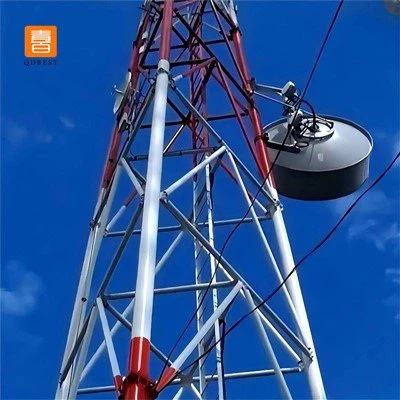
Lattice towers are composed of a framework of steel members arranged in a lattice pattern. They are commonly used in telecommunications and power transmission applications. While lattice towers are known for their high strength and relatively low cost, they have some limitations in terms of stability.
The open lattice design of these towers can create aerodynamic instability, especially in high-wind conditions. The exposed members can also be more susceptible to corrosion and damage from environmental factors. In contrast, tubular towers have a smooth, continuous surface that reduces wind resistance and provides better protection against corrosion.
Guyed Masts
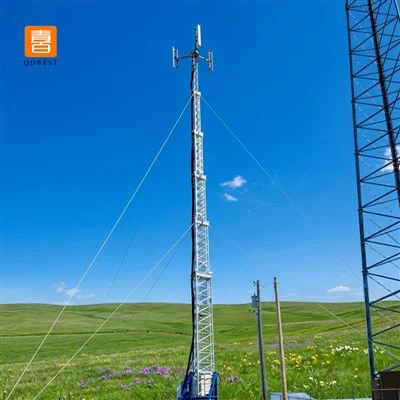
Guyed masts are tall, slender structures supported by guy wires. They are often used in applications where a high height is required, such as radio and television broadcasting. Guyed masts are relatively lightweight and cost-effective, but they rely on the tension of the guy wires for stability.
The stability of guyed masts is highly dependent on the proper installation and maintenance of the guy wires. If the guy wires are not properly tensioned or maintained, the mast can become unstable and pose a safety risk. Tubular towers, on the other hand, are self-supporting structures that do not rely on external guy wires for stability. This makes them more reliable and easier to maintain in the long term.
Monopoles
Monopoles are single, vertical structures typically used in telecommunications applications. They are similar to tubular towers in that they are self-supporting and have a smooth, cylindrical shape. However, monopoles are usually smaller in diameter and height compared to tubular towers.
While monopoles are relatively stable and easy to install, they may not be suitable for applications that require a high height or a large load capacity. Tubular towers, with their larger diameter and higher strength, can provide greater stability and support heavier loads.
Factors Affecting the Stability of Tubular Towers
The stability of tubular towers is influenced by several factors, including:
Design and Engineering
The design and engineering of a tubular tower play a crucial role in its stability. A well-designed tower will take into account the specific environmental conditions, load requirements, and safety standards of the project. Factors such as the tower’s height, diameter, wall thickness, and taper ratio will all affect its stability.
For example, a taller tower will require a larger diameter and thicker walls to maintain stability. The taper ratio, which is the ratio of the top diameter to the bottom diameter, also affects the tower’s stability. A tower with a larger taper ratio will be more stable than a tower with a smaller taper ratio.
Foundation Design
The foundation of a tubular tower is another critical factor in its stability. The foundation must be designed to support the weight of the tower and withstand the environmental loads, such as wind and seismic forces. The type of foundation used will depend on the soil conditions, tower height, and load requirements of the project.
Common types of foundations for tubular towers include shallow foundations, deep foundations, and pile foundations. Shallow foundations are suitable for towers with a relatively low height and light load requirements, while deep foundations and pile foundations are used for taller towers and heavier loads.
Material Quality
The quality of the materials used in the construction of a tubular tower is also important for its stability. High-quality steel with the appropriate strength and corrosion resistance properties is essential for ensuring the long-term performance of the tower.
The manufacturing process of the tower also plays a role in its quality. Tubular towers should be fabricated using advanced manufacturing techniques and strict quality control measures to ensure that they meet the required standards and specifications.
Real-World Applications and Case Studies
Tubular towers have been widely used in various real-world applications, demonstrating their stability and reliability. Here are some examples:
Telecommunications
In the telecommunications industry, tubular towers are commonly used to support antennas and other communication equipment. These towers provide a stable platform for the equipment, ensuring reliable communication signals.
For example, in a recent project in a rural area, a tubular tower was installed to provide mobile coverage. The tower was designed to withstand high winds and seismic activity, and it has been operating successfully for several years.
Power Transmission
Tubular towers are also used in power transmission applications to support overhead power lines. These towers are designed to carry heavy electrical loads and withstand the environmental conditions of the transmission corridor.
In a large-scale power transmission project, tubular towers were used to span a long distance across a mountainous region. The towers were designed to resist strong winds and ice loads, and they have been providing reliable power transmission for the local community.
Wind Energy
In the wind energy industry, tubular towers are used to support wind turbines. These towers must be able to withstand the high winds and dynamic loads generated by the turbines.
A wind farm project in a coastal area installed tubular towers to support large wind turbines. The towers were designed to optimize the aerodynamics and stability of the turbines, resulting in increased energy production and reduced maintenance costs.
Conclusion
In conclusion, tubular towers offer several advantages in terms of stability compared to other structures. Their cylindrical design provides uniform stress distribution, reduces wind resistance, and offers better protection against corrosion. Tubular towers are also self-supporting, eliminating the need for external guy wires and making them more reliable and easier to maintain.
When choosing a structure for a project, it’s important to consider the specific requirements and environmental conditions. Tubular towers are a versatile and reliable option that can provide the stability and performance needed for a wide range of applications.
Telecommunication Tower If you’re considering a project that requires a stable and reliable structure, I encourage you to explore the benefits of tubular towers. As a supplier of tubular towers, I have the expertise and experience to help you select the right tower for your needs. Contact me to discuss your project requirements and learn more about how tubular towers can meet your stability needs.
References
- ASCE 7-16: Minimum Design Loads and Associated Criteria for Buildings and Other Structures
- AISC 360-16: Specification for Structural Steel Buildings
- API RP 2A-WSD: Recommended Practice for Planning, Designing, and Constructing Fixed Offshore Platforms – Working Stress Design
Qingdao BEST Steel Structure Co., Ltd.
Qingdao BEST Steel Structure Co., Ltd. is one of the most professional tubular tower manufacturers and suppliers in China. We warmly welcome you to buy customized tubular tower made in China here from our factory. If you have any enquiry about OEM service, please feel free to email us.
Address: Jiaobei Industrial Park, Qingdao, China
E-mail: sales@qdbsstower.com
WebSite: https://www.qdbsstower.com/
