Hey there! I’m a supplier of economical autoclave endoscopes, and I know how important safety is when it comes to autoclaving these nifty medical tools. In this blog, I’ll share some key safety precautions you need to keep in mind during the autoclaving process. Economical Autoclave Endoscope
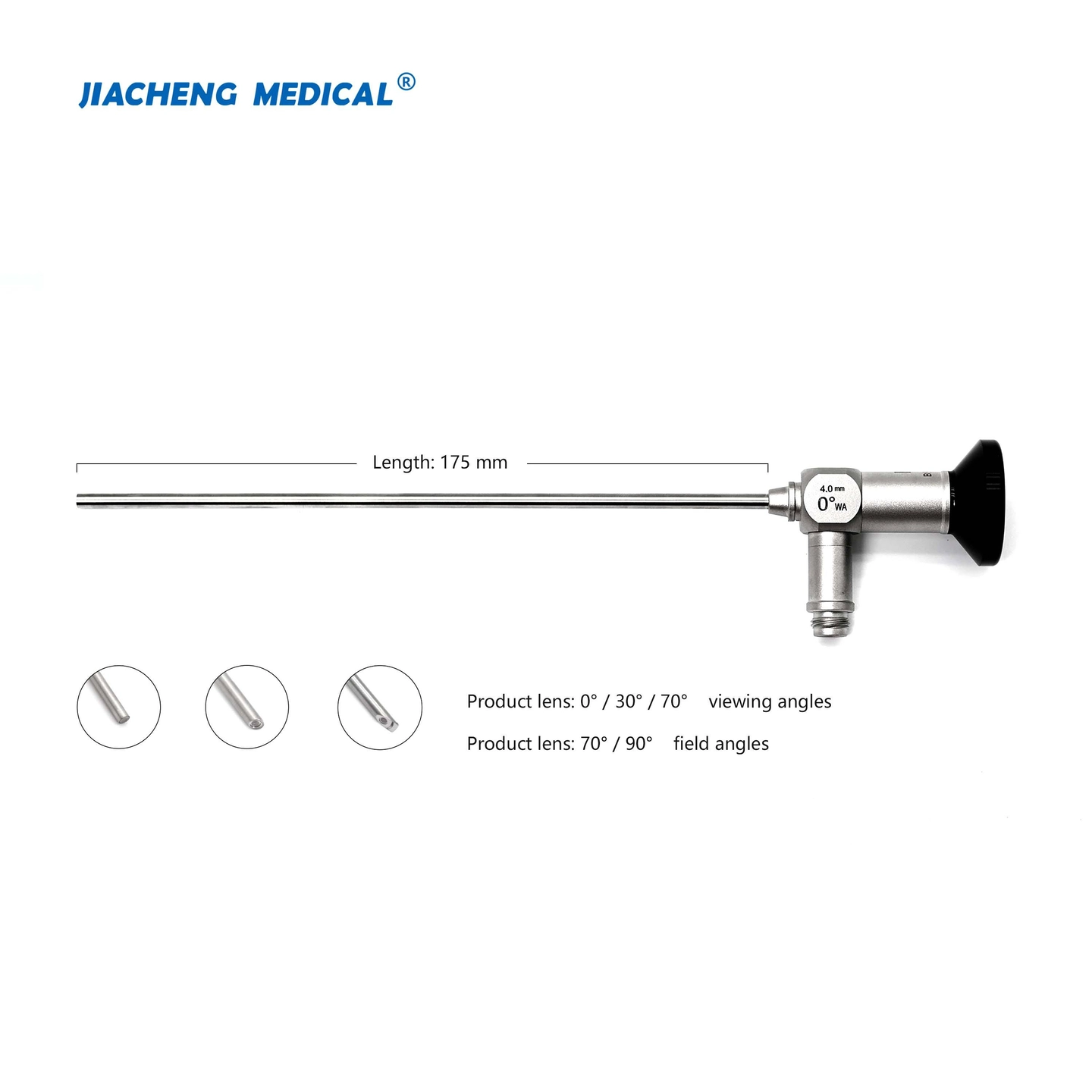
First off, let’s talk about pre – autoclaving checks. Before you even think about popping that endoscope into the autoclave, you gotta do a thorough inspection. Check for any visible damage to the endoscope, like cracks, leaks, or loose parts. A damaged endoscope can not only affect the autoclaving process but also pose a risk to patients. If you find any issues, don’t try to autoclave it. Instead, set it aside for repair or replacement.
Another crucial pre – autoclaving step is cleaning. You can’t just skip this. Endoscopes come into contact with all sorts of bodily fluids and debris, so a proper cleaning is a must. Use a recommended enzymatic cleaner and follow the manufacturer’s instructions. Make sure to clean all the channels, working parts, and the exterior of the endoscope. A dirty endoscope won’t get properly sterilized, and it might even contaminate the autoclave.
When it comes to packaging the endoscope for autoclaving, it’s important to use the right materials. You need a packaging material that’s designed for autoclaving. It should be able to withstand the high temperatures and pressure inside the autoclave. The packaging also needs to be porous enough to allow steam to penetrate and reach the endoscope, but at the same time, it should prevent re – contamination after the autoclaving is done.
Now, let’s move on to the autoclaving process itself. First, pay attention to the autoclave settings. Each endoscope model might have specific autoclaving requirements, so make sure you set the temperature, pressure, and time correctly. Generally, autoclaving involves high – pressure steam at around 121 – 134 degrees Celsius for a specific duration, usually between 15 – 30 minutes. But again, always refer to the endoscope’s user manual and the autoclave’s instructions.
During the autoclaving process, don’t overcrowd the autoclave. Give the endoscope enough space to allow the steam to circulate properly. If you stuff too many items in the autoclave, some parts of the endoscope might not get exposed to the steam evenly, which can lead to incomplete sterilization.
It’s also a good idea to use a chemical indicator. These are special strips or tapes that change color when they’re exposed to the right combination of temperature, pressure, and steam. Place a chemical indicator inside the packaging with the endoscope. After the autoclaving is done, check the indicator to make sure the process was successful. If the indicator didn’t change color as expected, something went wrong, and you might need to repeat the autoclaving.
Once the autoclaving cycle is over, wait for the autoclave to cool down properly before opening it. The high – pressure steam inside can be very dangerous if you open the autoclave too soon. You could get burned, and there’s also a risk of the endoscope being damaged by the sudden change in pressure.
After removing the endoscope from the autoclave, inspect it again. Check for any signs of damage that might have occurred during the autoclaving process. If everything looks good, store the endoscope in a clean, dry place. Make sure to label the package with the date of sterilization so you know when it was last autoclaved.
Now, you might be wondering why all these safety precautions are so important. Well, endoscopes are used in medical procedures where they come into direct contact with patients’ internal organs. If they’re not properly sterilized, they can transmit infections and diseases. That’s a huge risk for patients, and it can also lead to serious legal and ethical issues for medical facilities.
As a supplier of economical autoclave endoscopes, I’m committed to providing high – quality products that are safe to use. But safety doesn’t stop at the product itself. It’s also about how you use and maintain the endoscope, especially during the autoclaving process. By following these safety precautions, you can ensure that your endoscopes are properly sterilized and safe for patient use.

If you’re in the market for an economical autoclave endoscope or you have any questions about the autoclaving process, feel free to reach out. We’d love to talk with you and help you find the right endoscope for your needs. Whether you’re a small clinic or a large hospital, we’ve got solutions that can work for you.
Electronic Endoscope References:
- Manufacturer’s manuals for economical autoclave endoscopes
- Guidelines from relevant medical organizations on endoscope sterilization
- Research papers on the effectiveness of autoclaving in endoscope sterilization
Zhejiang Jiacheng Medical Instrument Co., Ltd.
We’re well-known as one of the leading economical autoclave endoscope manufacturers and suppliers in China, specialized in providing high quality customized service to global clients. Please feel free to buy discount economical autoclave endoscope from our factory. Contact us for more details.
Address: Building 8, Shutai · Fuchun Innovation Park, No. 516, Majia Road, Fengchuan Subdistrict, Tonglu County, Hangzhou, Zhejiang Province, China
E-mail: Ken.huangfu@jiachengmedical.com
WebSite: https://www.jiachengmedical.com/
