Hey there, fellow pet parents, groomers, and anyone who’s ever stared at a bag of kibble or a tub of wet cat food and gone, “Wait, what even is in this?” I’m [your first name, skip last name for casual vibe], and I’ve spent the last decade hanging out with xanthan gum—no, not the kind you stir into your own gluten-free baking, but the industrial-grade stuff that ends up in everything from salad dressings to… pet food. People slide into my DMs all the time asking: “Can xanthan gum actually go in pet food, or is this just another random ingredient brands throw in without a care?” Today, I’m breaking this down like we’re sitting on my back porch with a cold soda, no stuffy jargon, no half-truths. Let’s dive in. Xanthan Gum
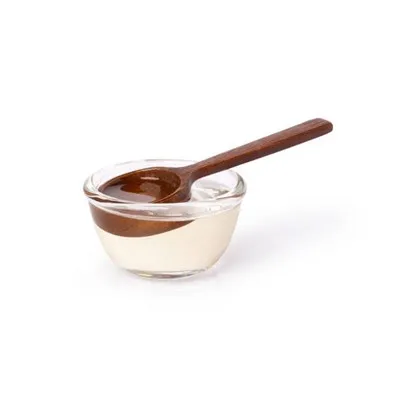
First off, let’s get one weirdly persistent myth out of the way right now: xanthan gum is not some lab-made monster that’s gonna give your pup a weird rash or make your cat’s stomach turn. For anyone who doesn’t already know (raise your hand if you’ve been baking keto cookies and saw it on the ingredient list), xanthan gum is a polysaccharide—think a fancy sugar chain—made by fermenting sugar with a bacteria called Xanthomonas campestris. It’s totally natural, and it’s been safe for human food for decades, so it’s not a huge leap to wonder if it works for our furry roommates.
Now, the main question: can it be used in pet food? Short answer: yes, totally, and it’s actually super useful when it’s dosed right. But before we get into why brands love it, let’s talk about the non-negotiables here—safety, because that’s the only thing that matters when it comes to anything going near a dog or cat.
I don’t mess around with vague claims, so let’s stick to what the actual science says. The Association of American Feed Control Officials (AAFCO) is the big dog (pun very intended) when it comes to regulating pet food ingredients in the US, and they’ve classified xanthan gum as a “generally recognized as safe” (GRAS) additive for animal feed. Same as they do for a ton of other common pet food stuff—think guar gum, even salt (don’t panic, small amounts are fine). The European Food Safety Authority (EFSA) has the same call, saying that as long as it’s used in approved quantities, it’s not toxic for dogs, cats, or other common pets like rabbits or even ferrets. The key here is “approved quantities”—like, you don’t dump a whole bag of xanthan gum into your homemade dog treats, and brands don’t go overboard either.
Now, let’s get into why brands actually use it, because it’s not just a filler. Let’s start with wet pet food, since that’s where xanthan gum’s superpowers really shine. If you’ve ever opened a can of wet dog food and seen the meat and gravy separated into a gloppy mess at the bottom, that’s where xanthan gum comes in. It acts as a thickening agent and stabilizer—so it keeps the broth mixed with the actual meat chunks, gives the gravy that smooth (but not slimy) texture pets actually wanna eat, and stops the whole thing from separating while it’s sitting on the shelf for two years. For wet cat food, which is often softer and more moisture-heavy, it does the exact same thing, plus it can help keep the texture consistent so a picky cat won’t turn their nose up at a weird batch that’s too runny one week and too thick the next.
Then there’s semi-moist pet food—think those soft chew treats, the jerky strips, or the squeeze tubes that make you want to steal them for yourself. Xanthan gum is perfect here because it helps hold the product’s shape. Without it, those treats would be crumbly, or they’d dry out too fast, or they’d get mushy in the bag. It also helps control moisture, which is huge for semi-moist stuff because too much moisture can lead to mold, and too little makes the treat hard as a rock your dog can’t chew.
Wait, and let’s not forget homemade pet food—so many pet parents are making their own kibble, wet food, or treats these days, and they’re asking if xanthan gum is worth adding there too. If you’re making, say, a homemade gravy for your sick pup that needs to be extra smooth, or if you’re forming homemade treats that don’t fall apart in the oven, a tiny amount is totally fine. I always tell people, though, don’t overdo it—too much xanthan gum will make the homemade stuff taste weird (even pets hate slimy food) and could cause minor digestive upset, like loose stools, if your fur baby isn’t used to it. Same rule as with anything: start small.
Now, I know what some of you are thinking: “Okay, but what about the ‘filler’ hate? I don’t want my pup eating a bunch of random fillers.” Let’s be real for a second—xanthan gum isn’t a filler. Fillers are ingredients with zero nutritional value that just bulk up food to cut costs, like certain unnamed grains or corn byproducts. Xanthan gum has zero calories, zero nutritional value, but it serves a purpose that actually improves the food your pet is eating—keeping it safe, keeping it palatable, keeping it consistent. Brands use it in such tiny amounts, usually less than 1% of the total product, that it’s not taking up space that could be used for actual nutrients like protein or fat. That’s a key point I see people miss all the time.
Wait, but is there any catch? No ingredient is perfect, right? Let’s talk about the edge cases. First, pets with specific allergies. I’ve heard of a handful of rare cases where dogs or cats have a sensitivity to xanthan gum, but that’s super uncommon—way rarer than allergies to chicken or grains. If your pet has a known sensitivity to it, obviously skip it, but that’s not a reason to avoid it for the average pet. Second, the dose thing again—like I said, too much xanthan gum is bad for anyone, pet or human. If a brand uses more than the approved amount, that’s a problem, but regulated brands don’t do that. And third, some people just prefer to avoid “added ingredients” altogether, even if they’re safe. If that’s your vibe, no judgment—just know that xanthan gum isn’t the bogeyman some pet influencers make it out to be.
Let me also give you a quick real-world example, since I live this. Last month, I worked with a small-batch pet treat brand that was having a major issue: their chicken jerky was crumbling so bad that half the bag was dust, and customers were returning it left and right. They tried switching to guar gum, which is similar, but it gave the jerky a weird gritty texture that cats hated. We suggested a tiny blend of xanthan gum (like 0.3%) with a little bit of locust bean gum, and the problem was fixed. The jerky held its shape, no crumbles, and the texture was exactly what customers and their pets wanted. That’s not a random sales pitch—that’s actual stuff I see every week, brands solving real problems with xanthan gum because it works.
Now, if you’re a pet food brand, a treat manufacturer, or even a small-batch baker making homemade pet food and you’re wondering how to use xanthan gum, or what grade to get, let me break that down too. You don’t want the same stuff you use for baking your own cookies—you need food-grade xanthan gum that’s tested specifically for animal feed, meets AAFCO standards, has zero contaminants that could hurt your pets. That’s what we supply, and we make sure every batch is tested, no cutting corners. We also help brands figure out the right dose—whether you’re making wet food, semi-moist treats, or something in between, we don’t just send you a bag and dip. We answer questions like “how much do I add to 500 gallons of gravy?” or “will this affect the shelf life of my treats?” because that’s why we’re here, not just to sell powder.
Wait, and for pet parents who make homemade stuff: if you’re looking to add xanthan gum to your recipes, start with 1/8 of a teaspoon per cup of wet mixture, stir slowly (it clumps if you dump it all in at once!), and adjust from there. If you’re making treats, maybe use a little less if you want them softer, a tiny bit more if you want them to hold their shape. And always check with your vet first if your pet has any existing health issues, especially digestive ones, just to be safe.
Let’s wrap this up, because I know you’re probably tired of reading by now. The answer to “can xanthan gum be used in pet food?” is a resounding yes—when it’s used correctly, in regulated amounts, with safe, food-grade product. It’s not a toxic chemical, it’s not a filler, it solves real problems for both brands and pet parents. The only red flags here are unregulated brands that cut corners, or people using too much, not xanthan gum itself.
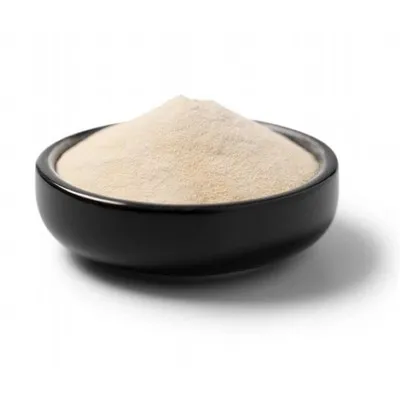
If you’re a pet food manufacturer looking to source reliable, tested xanthan gum for your next batch of treats, wet food, or whatever you’re making, or if you’re a small-batch baker who needs a steady supply, hit us up. We work with everyone from big national brands to tiny local shops, and we can match whatever grade or quantity you need, no weird minimums (within reason, obviously).
Antioxidants References:
- Association of American Feed Control Officials (AAFCO). (2023). Official Publication: Feed Ingredients Substantiation. AAFCO, Washington, DC.
- European Food Safety Authority (EFSA). (2021). Safety evaluation of xanthan gum as a food additive for all animal species. EFSA Journal, 19(7), e06682.
- National Research Council (NRC). (2020). Nutrient Requirements of Dogs and Cats, 2nd ed. National Academies Press, Washington, DC.
- American Society for the Prevention of Cruelty to Animals (ASPCA). (2022). Animal Poison Control Center: Xanthan Gum Ingredient Safety Profile. ASPCA, New York, NY.
Fudijia (Tianjin) Supply Chain Co., Ltd.
With abundant experience, we re one of the most professional xanthan gum manufacturers and suppliers in China. We warmly welcome you to wholesale bulk high quality xanthan gum made in China here from our factory. For more information, contact us now.
Address: 301-2-1C,Jin Bin Jie Zuo,No.98, Huanghai Road,TEDA, Tianjin, China
E-mail: foodchem@hjlfoods.com
WebSite: https://www.ifoodchem.com/
