Hey guys, let’s talk about something that’s probably in half the products you use every day—acidulants. Wait, what are acidulants exactly? If you’re a food brand owner, a beverage maker, or even someone who works in pharma or personal care, you’ve definitely interacted with them without even realizing. As an acidulants supplier, I get so many questions: “What are the main types? Which one works best for my product?” So let’s break this down like we’re chatting over coffee, no stuffy jargon (I’ll keep it real, promise). Acidulants
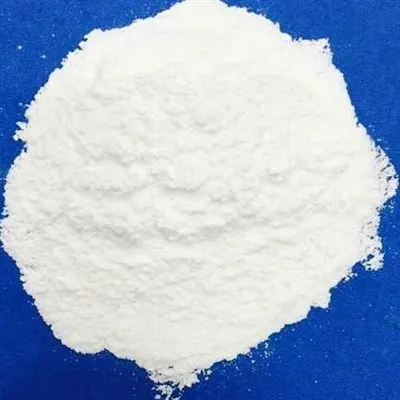
First off, acidulants are basically chemicals that add tartness, adjust pH, or preserve stuff. They’re the unsung heroes of a lot of industries, right? If you’ve ever taken a fizzy antacid or eaten a tangy candy, that’s acidulants doing their thing. Now, I’ve seen so many new folks mix them up, so let’s categorize the common ones you’ll actually encounter. No fancy list, just real stuff we deal with daily.
-
Citric Acid – The OG All-Rounder
Let’s start with the big one: citric acid. This is the workhorse of acidulants. Chances are, if you’ve had a soda, a fruit snack, or even a jar of pickles, it’s in there. I make this sound basic, but it’s for a reason—citric acid is versatile as hell. It comes from citrus fruits (lemons, limes) but a lot of what we supply is fermented via sugar, which cuts costs without losing quality.
Why do brands love it? It’s super tart, dissolves fast, and doesn’t leave that weird aftertaste. Perfect for soft drinks to make them tangy, or to keep canned fruit from browning (no more dull, brown apples in your cup!). Also, it’s gentle enough for things like cosmetics—ever seen a toner that says “pH balanced”? That’s citric acid doing the adjusting. I’ve had clients switch to citric acid because it’s food-safe and works with almost any product, from baked goods to salad dressings. The only catch? It can’t handle super high heat, so if you’re making something that needs to be pasteurized for ages, you might need another option. -
Lactic Acid – The Fermented Fan Favorite
Next up, lactic acid. This one’s a bit different because it’s made from fermenting sugars—like lactose from milk or corn sugar. You know the tang in yogurt, sauerkraut, or even sourdough bread? That’s lactic acid. It’s also big in personal care, like exfoliating toners or body washes, because it’s a alpha-hydroxy acid (AHA) that’s gentle on skin.
As a supplier, I love lactic acid for its flexibility. It’s not just for food—we send a lot to skincare brands now, which is a growing market. Unlike citric acid, lactic acid has a milder, creamier tartness, so it doesn’t overpower things like creamy dips or fermented veggies. Also, it’s great for preserving because it lowers pH just enough to stop bacteria from growing without making the product too sour. I once had a craft brewery client who switched from citric to lactic acid for their sours because it gave them that subtle, fermented tang that people go crazy for. Win-win, right? -
Phosphoric Acid – The Fizzy Drink Staple
Okay, this is the one that’s in your cola, and it’s not just for tartness. Phosphoric acid is a mineral acid, so it’s stronger than the fruit-based ones I mentioned earlier. That means it’s perfect for things that need to hold up to high heat or really carbonated drinks.
Why do sodas use it so much? It gives that sharp, tangy bite that makes a Coke taste like a Coke, and it also prevents the sugar from crystallizing (so no weird grit in your bottle). Plus, it’s super stable, even when stored on shelves for years. I deal with a lot of bottling companies that rely on phosphoric acid because it doesn’t break down over time. Just a heads up, though: because it’s a stronger acid, you have to use it in the right ratio. Too much and it’ll make your product taste bitter, not just tart. That’s where our team comes in—we help clients calculate how much they need so they don’t mess up the flavor. -
Malic Acid – The Crisp, Fruit-Like Option
If you want that really crisp, green-apple-like tartness, malic acid is your guy. It’s naturally in apples (hence the name) but we also produce it synthetically for commercial use. A lot of hard candies, sour gummies, and fruit-flavored drinks use malic acid because its tartness lingers a bit longer than citric acid.
I’ve noticed that younger brands, especially those making sour candy or sparkling water, love malic acid because it gives that “mouth-puckering” kick that consumers go for. It also works well in things like fruit purees to make them taste fresh, not artificial. The downside? It’s a bit more expensive than citric acid, so if you’re making a mass-market product, it might not be the most cost-effective. But if you’re going for premium, fruity flavors, it’s totally worth it. -
Tartaric Acid – The Wine & Baking Secret
Tartaric acid is a bit of a specialty one, but it’s super important in certain industries. It’s a byproduct of winemaking—you might have seen “cream of tartar” in your baking aisle? That’s related to tartaric acid. In wine, it’s what gives that crisp, dry tang. For baking, cream of tartar (which is a form of tartaric acid) helps stabilize egg whites so your meringue doesn’t fall flat.
As an acidulant supplier, we send a lot of tartaric acid to wineries and craft bakeries. It’s less common in mass-produced foods because it’s more niche, but it’s essential if you’re making something that needs that unique, sharp tang. Unlike other acids, tartaric acid doesn’t mix well with everything—for example, it can make soda taste weird if you use too much. But for its specific uses, there’s no replacement.
Now, wait a second—are there other types? Sure, but these are the ones we deal with 90% of the time. Things like fumaric acid, which is used in baked goods to extend shelf life, or gluconic acid, which is in some cleaning products. But if you’re just starting out or looking for the most common acidulants, the five above are your go-tos.
I get asked a lot: “Which acidulant should I pick for my product?” The answer isn’t one-size-fits-all. It depends on a few things: flavor profile you want, shelf life you need, heat stability, and budget. For example, if you’re making a cheap lemon-lime soda, citric acid is your best bet. If you’re making a premium sparkling water with a green apple flavor, malic acid is probably the way to go. If you’re a winemaker, tartaric acid is non-negotiable.
Oh, and another thing—preservation vs. flavor. A lot of people forget that acidulants do double duty. Lowering pH isn’t just for tartness; it keeps bacteria, mold, and yeast from growing, which makes your product last longer on shelves. So when you’re choosing, don’t just think about taste—think about how it affects your product’s shelf life. For example, phosphoric acid’s strong pH-lowering power is why it’s great for long-term storage of sodas, even if it’s a mineral acid.
As a supplier, I’ve learned that the best acidulant for your product is not just the cheapest one. It’s the one that works with your process, gives you the flavor consumers love, and doesn’t cause any issues later down the line. I’ve had clients come to me before trying to use the wrong acidulant, and it ended up costing them money because their product tasted off or had a shorter shelf life. That’s why our team doesn’t just sell acidulants—we help you figure out which one fits your needs.
Wait, let’s throw in a quick real example. Last month, a client who makes protein bars reached out because their bars were going stale too fast. They were using citric acid, but it wasn’t doing enough to lower the pH. We suggested switching to a mix of lactic and malic acid—milder than phosphoric, but strong enough to keep bacteria away. They did a test batch, and the shelf life went from 2 weeks to 6 weeks, and the tang was exactly what their customers wanted. That’s the kind of win we live for.
Another thing to note: all these acidulants are food-safe (and safe for other industries too) when used in the right quantities. We make sure every batch we supply meets FDA and EU standards, so you don’t have to worry about regulatory issues. That’s a big deal—nothing’s worse than a product getting pulled because of a chemical that doesn’t meet safety rules.
So, to wrap this up: the common types of acidulants are citric, lactic, phosphoric, malic, and tartaric. Each has its own superpowers, and the right choice depends on your product’s needs. If you’re not sure which one is best for you—whether you’re a food brand, beverage maker, skincare company, or anything in between—hit us up. We’re here to walk you through it, answer all your questions, and help you get the right acidulants at a price that works for your business. No pushy sales stuff, just real advice from people who’ve been in this game for years.
Wait, I almost forgot—if you’re new to using acidulants, start small. Do a test batch. A little goes a long way, especially with the stronger ones like phosphoric acid. Too much tartness is hard to fix, so always test first. That’s a tip I wish I could tell every new client—save yourself the hassle!
Okay, that’s the gist. Acidulants aren’t as complicated as they sound, but they’re super important for so many products. Whether you’re making a drink, a snack, a skincare product, or even cleaning supplies, there’s an acidulant that’ll do the job. And if you need help picking the right one, reach out to us for a procurement chat. We’re here to make your life easier.
Monascus Red References:
- Food and Agriculture Organization of the United Nations. (2021). Acidulants in Food and Beverage Processing. FAO Agricultural Services Bulletin.
- Smith, J. A. (2020). Functional Acidulants: Applications in Food, Cosmetic, and Pharmaceutical Industries. Journal of Applied Food Science, 14(3), 89-102.
- European Food Safety Authority. (2019). Safety Assessment of Common Food Acidulants. EFSA Journal, 17(6), 567-589.
- Patel, R. K. (2018). Fermented Acidulants: Production and Industrial Uses. Journal of Industrial Microbiology & Biotechnology, 45(12), 1015-1027.
- U.S. Food and Drug Administration. (2022). GRAS Substances: Acidulants for Food Use. FDA Center for Food Safety and Applied Nutrition.
Fudijia (Tianjin) Supply Chain Co., Ltd.
With abundant experience, we re one of the most professional acidulants manufacturers and suppliers in China. We warmly welcome you to wholesale bulk high quality acidulants made in China here from our factory. For more information, contact us now.
Address: 301-2-1C,Jin Bin Jie Zuo,No.98, Huanghai Road,TEDA, Tianjin, China
E-mail: foodchem@hjlfoods.com
WebSite: https://www.ifoodchem.com/
