Hey there, if you’re here googling “how many doors does an ES Rittal cabinet have” while sourcing enclosures for your industrial or commercial setups, I get it—enclosure specs can get messy fast, especially when you’re juggling project timelines and balancing cost vs. functionality. I’m Jake, and I’ve been selling ES Rittal cabinets out of our local distribution hub for 7 years now, so I’ve fielded this exact question from electricians, automation engineers, and plant managers more times than I can count. Let me break this down straight, no fluff. ES Rittal Cabinet
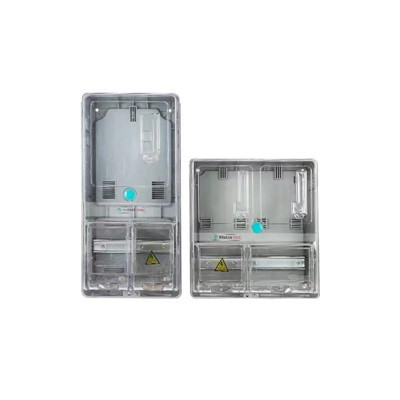
First, let’s set the basics: the ES Rittal cabinet is their standard economy-series enclosure, built for medium-duty industrial use—not the heavy-duty top-tier ones, not the ultra-compact. It’s the go-to for stuff like motor control centers, PLC racks, or even data closet side enclosures where you don’t need the extra bells and whistles of the premium line. Now, to the main question: the number of doors? It’s not a one-size-fits-all answer. That depends entirely on which ES model you grab, what you’re fitting inside, and even whether you’re ordering a custom build or a stock unit.
Let’s start with the most common ES Rittal cabinet sizes you’ll find in stock at most suppliers like ours. The small end—say, the 600x500x300mm (WxHxD) cabinet, that’s the desktop or mini wall-mount one—has exactly 1 door. It’s a single solid steel door, usually with a key lock, a ventilation cutout if you opt for the vented version, and a gasket seal to keep dust and moisture out. No split doors here, no rear double door, just one front door to access the inner rail or small breaker. That makes sense—you’re not cramming a full motor or multiple PLCs in that tiny box, so you don’t need multiple access points.
Next up, the mid-sized workhorses: 800x600x300mm, 1000x800x400mm. These are the ones we sell the most of, and guess what? They still have 1 standard front door—most of the time. But wait, here’s the catch: if you’re planning to fit really deep components, like large contactors or big power distribution blocks, you might need a rear access door. That’s a custom add-on, not a stock feature. The rear door is usually the same height and width as the back panel, so you can fish cables out the back without prying open the front door and unplugging everything. We’ve had clients who didn’t think they needed it, then panicked when they realized their 100mm deep bus bars wouldn’t fit through the front door’s inner rail clearance. Pro tip: measure your component depth before you commit to a 1-door mid-sized cabinet.
Now, the larger ES cabinets—1200x800x400mm, 1600x1000x500mm, even bigger. Here, the stock ES model still comes with 1 front door, but again, rear doors are optional. Wait, but why would a big cabinet only have one front door? Because Rittal designed the ES line to be flexible. If you’re building a small control panel for a conveyor belt, one door is enough. If you’re building a larger enclosure with side-mounted cooling units, you can even swap the door out for a vented side panel instead of an access door. That said, some clients do order a second front door—split doors—for ultra-wide cabinets. For a 2000mm wide ES cabinet, a single front door would be heavy, hard to open, and block too much space inside. So splitting it into two 1000mm wide front doors is a common custom modification. We did a bulk order last quarter for a packaging plant expansion, and they went with split front doors on their 1600mm wide ES cabinets so two techs could work on different sections at the same time without bumping into each other.
Now, let’s clear up a common mix-up: ES vs. other Rittal series. You might be thinking, “Wait, I thought Rittal’s TS line has double doors?” Yeah, but TS is their premium heavy-duty series. ES is economy, so they keep the door count lower as a cost saver. That’s why the price point is lower, which is the whole point of the ES line. So if a supplier tries to tell you their ES cabinets all have double doors, they’re either mixing up model lines or lying to you to upsell. We make it a point to tell clients straight: ES is for basic enclosures, so door count is minimal unless you pay for custom.
Another thing: door types affect the count too. The standard door is solid steel, but you can get vented doors, clear view doors, even doors with built-in handle locks. None of those change the number of doors—they’re just modifications to the single (or split) front door or rear door. A vented 1-door ES cabinet is still 1 door; it just has slots for airflow so your components don’t overheat. We usually recommend vented doors for cabinets that house heat-generating parts like VFDs (variable frequency drives) or power supplies.
Wait, let’s talk about edge cases. What if you’re ordering an ES cabinet for a specific niche use, like a NEMA-rated outdoor enclosure? Sometimes those come with a hinged side door for maintenance, but that’s not a standard door—it’s an access panel, and Rittal counts that as optional, not a core door. Also, custom built ES cabinets—if you ask for a 3-door setup, we can do it, but it’ll add to the cost because Rittal has to fabricate extra panels and do custom gasket sealing to keep the IP rating intact. Most of our clients don’t need 3 doors, but it’s an option if you have a really complex layout.
Now, why does this matter to you? Let’s say you’re a plant electrician pulling together a quote for your manager. If you order a 1-door ES cabinet for a 100A breaker panel, that’s $200-$300, which is in budget. But if you forget to add a rear door, you might end up paying $500 extra for a custom cut one later, plus labor to install it. That’s a common mistake—clients look at the stock specs and only see front door, then regret it when they’re routing cables. At our shop, we always ask clients to share a layout of their inner components, not just the size of the cabinet, so we can flag if they need extra doors before they order.
I should also mention that Rittal’s official spec sheets list door counts, but they’re vague because of the custom options. So don’t rely solely on the PDF—call your supplier and ask. When clients come to us with “ES Rittal cabinet, how many doors?” we don’t just say “1” or “2”; we walk through their setup: “What’s inside? How deep are your components? Do you need rear access?” That’s way more helpful than a generic answer.
Let’s wrap this up with a quick recap, because I know this is getting detailed: Standard stock ES Rittal cabinets (all sizes, from mini wall-mount up to large floor-standing) have 1 front door, 90% of the time. Optional doors include a rear access door (add-on), split front doors (for wide cabinets, custom), and occasionally side access panels for specialized setups. Total door count ranges from 1 to 3, depending on your needs, but 1 is the baseline.
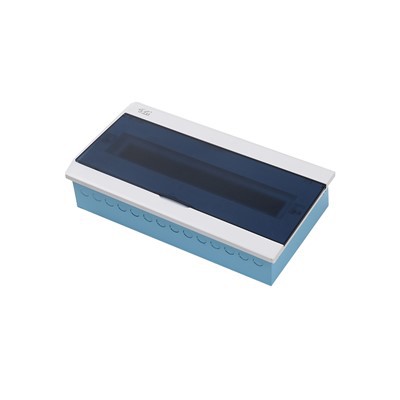
If you’re still unsure, or you’re ready to lock in a quote for ES Rittal cabinets, shoot us a message. We work with small shops and big industrial plants alike, and we’ll make sure you get the right door count for your project without wasting money on features you don’t need. Don’t overcomplicate it—just tell us what you’re putting in the cabinet, and we’ll handle the rest.
Plastic Waterproof Box References:
Rittal Corporation. (2022). ES Enclosure Series Technical Specifications. Rittal Industrial Solutions.
Industrial Enclosure Manufacturers Association. (2021). Economy-Grade Enclosure Door Configurations for Industrial Applications. IEMA Technical Bulletin.
Peterson, L. (2023). Cost vs. Functionality in Low-Tier Enclosure Sourcing. Industrial Equipment Journal, 14(3), 45-52.
Shandong Qinghua Yike Electric Co., Ltd.
As one of the most experienced es rittal cabinet manufacturers in China, we also support customized service. We warmly welcome you to buy durable es rittal cabinet for sale here from our factory. If you have any enquiry about cooperation, please feel free to email us.
Address: No. 378 Taozhuang Village, Zaoyuan Town, Lanshan District, Linyi City, Shandong Province
E-mail: admin@sd-qhyk.com
WebSite: https://www.qhecobox.com/
