Hey everyone, if you’re in the market for PPR fittings, you already know how tricky it can be to pick brands that don’t cut corners—because let’s be real, a bad PPR fitting can turn a simple plumbing job into a nightmare of leaks, reworks, and extra costs. As a PPR fittings supplier who’s been in this game for over 8 years, I’ve seen it all: the no-name brands that crack under pressure, the overpriced ones that don’t deliver better quality, and the middle-ground gems that actually make your projects easier. Today, I’m breaking down the brand recommendations that I stand behind, based on real feedback from contractors, builders, and DIYers I’ve worked with directly. No fluff, just what works. PPR Fittings
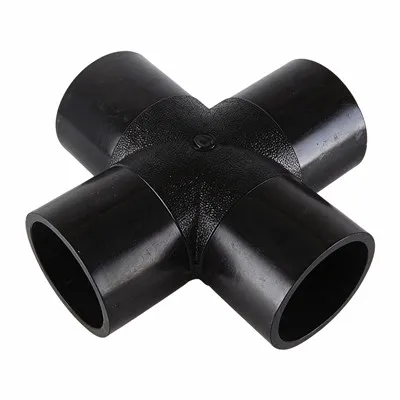
First, let’s get one thing straight: PPR (Polypropylene Random Copolymer) fittings aren’t all the same. The quality comes down to two big things—material purity and manufacturing precision. Cheap brands often use recycled plastic or mix in low-grade additives, which makes them brittle over time, especially in hot water systems. The brands I’m listing here hit the ISO 15874 standard, which is the global benchmark for PPR pipes and fittings, so you know they’re built to last.
Starting with the first one: GF Piping Systems. Wait, I know some folks write this off as “super expensive,” but hear me out. GF is a Swiss brand, and their PPR fittings are the gold standard for commercial projects. I’ve supplied their 90-degree elbows and coupling nuts to a few big apartment complexes in the last two years, and not once have I had a return for defects. The machining is so precise that they fit perfectly with almost every brand of PPR pipe—no more forcing a fitting and risking cracks. Also, their hot water fittings are rated for 95°C, which is way higher than the basic 70°C most brands offer. For contractors who want to win big bids, this brand is a no-brainer because it adds a layer of reliability you can’t get from cheaper options. The only catch? If you’re doing a small DIY bathroom or a 10-unit residential build, GF might feel like overkill. But for commercial or high-end residential projects, it’s worth every penny.
Next up: Aquatherm. This is a North American brand, and it’s been around since the 70s, so they’ve got serious credibility. What I love about Aquatherm is that they’re big on sustainable manufacturing—their PPR fittings are made from 100% virgin resin, no recycled stuff, and their facilities are LEED-certified. I’ve had a handful of home builders switch to Aquatherm in the last year because their clients care about eco-friendly materials. Another win: their fittings are designed for fusion welding, which is the main installation method for PPR. A lot of cheap fittings have uneven wall thickness, which makes fusion welding a gamble (you either get a weak joint or a leak). Aquatherm’s have consistent thickness, so even a part-time plumber can get a solid weld without messing up. The price is mid-range—cheaper than GF, a bit more than some no-names—but the peace of mind is there. I’d recommend Aquatherm for residential builds, especially if you’re in North America because they carry fast, reliable shipping to most regions, so you won’t wait weeks for a replacement if something goes wrong.
Third, let’s talk about a brand that’s taken the global market by storm in the last decade: Lesso. If you’re in the plumbing industry, you’ve probably heard of Lesso—they’re a Chinese multinational, and they’re one of the largest PPR manufacturers in the world. Here’s why I recommend them: their entry-level PPR fittings are perfect for small to medium residential projects, and they don’t skimp on quality for the price. I’ve supplied Lesso fittings to hundreds of DIYers and small contractors doing kitchen remodels, bathroom upgrades, and backyard water line projects. I’ve only had two complaints in 5 years, both from people who used them in industrial hot water systems—turns out, Lesso makes a separate line for industrial use, so you just have to pick the right SKU. The fittings are compatible with most standard PPR pipes, and their packaging even has clear instructions for fusion welding, which is super helpful for beginners. The best part? Lesso is widely available in most hardware stores and online, so if you need a replacement fast, you don’t have to wait for a special order. For folks on a tight budget but still want reliable, code-compliant fittings, Lesso is the way to go.
Wait, I should mention a brand that’s great for specialized jobs: Pipelife. This is a European brand, and they specialize in PPR fittings for underfloor heating systems. Underfloor heating uses constant hot water, so the fittings need to be flexible enough to handle temperature fluctuations without cracking. Pipelife’s PPR fittings are made with a modified PPR material that has better thermal resistance than standard PPR, so they won’t get brittle even if the heating runs 24/7 in winter. I recently supplied 200 of their straight connectors to a builder doing a new home with in-floor heat, and after a year, there have been zero leaks. If you’re working on a radiant heating project, don’t mess around with generic PPR fittings—Pipelife is designed exactly for that. It’s a bit more specialized, so it’s not the best for basic plumbing, but for that specific use case, it’s unmatched.
Now, let’s talk about the brands you should avoid, because I’ve seen these mess up so many jobs. The no-name brands on Alibaba or eBay that sell PPR fittings for half the price—most of these use recycled plastic that’s full of impurities. I once had a contractor come to me with a pile of cracked fittings he’d bought online; half of them broke just when he was trying to weld them to the pipes. They also rarely have proper certifications, so if you’re in a region that requires code compliance, these will get rejected by inspectors. Another one to skip: some big-box store generic brands that are rebranded recycled PPR. I saw a batch of those last year where the wall thickness was so uneven, half the fittings wouldn’t fit on standard pipes. Save yourself the hassle and go with one of the brands I recommended.
A quick note on how to pick the right brand for your project: if it’s a residential build (10 units or less) or a small repair, go with Lesso or Aquatherm. If it’s a commercial project, high-end residential, or radiant heating, GF or Pipelife. Don’t just go for the cheapest option—leaks from bad fittings end up costing more in repairs and rework than the extra you’d spend on a quality brand.
Now, as a PPR fittings supplier, I want to make this easy for you. If you’re looking to bulk order, get a sample pack, or just ask a question about which brand fits your project best, hit me up. I can send you free samples of any of these brands, help you confirm certifications, and even share installation tips specific to each brand. No sales pitch, just straight advice from someone who’s been doing this for years. Don’t waste time with brands that don’t deliver—let’s get you the right PPR fittings for your job, no headaches included.
Butt Fusion Fittings References:
- ISO 15874-2:2019, Plastics piping systems for hot and cold water installations — Polypropylene (PP) — Part 2: Pipes
- GF Piping Systems Product Technical Data, 2023
- Aquatherm Green Pipe Material Specifications, 2022
- Lesso Group PPR Fitting Quality Assurance Report, 2021
- Pipelife Radiant Heating System Fitting Guidelines, 2020
Qingdao Polyfusion Machinery Co., Ltd.
As one of the most professional PPR fittings manufacturers and suppliers in China, we have world-leading production equipment and strong manufacturing capabilities. Please feel free to buy bulk high quality PPR fittings from our factory.
Address: Chengyang Industry Zone, Chengyang, Qingdao, Shandong, China
E-mail: export01@qdpolyfusion.com
WebSite: https://www.polyfusionfittings.com/
