As a supplier of stainless steel motors, I often encounter questions from customers about the cooling methods of these motors. In this blog, I’ll delve into the various cooling methods for stainless steel motors, explaining how they work and their respective advantages and disadvantages. Stainless Steel Motor
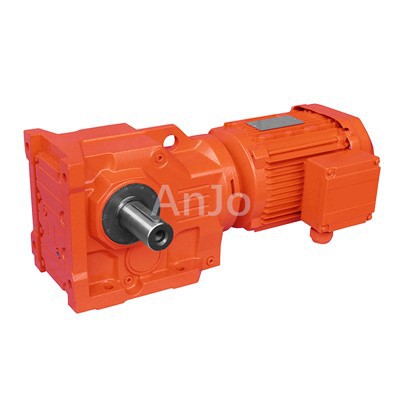
1. Air Cooling
Air cooling is one of the most common cooling methods for stainless steel motors. This method relies on the circulation of air to carry away the heat generated by the motor during operation.
How it works
The basic principle of air cooling is simple. A fan is usually installed on the motor shaft. As the motor rotates, the fan draws in ambient air and blows it over the motor’s exterior. The heat from the motor is transferred to the air, and the warm air is then expelled. Some motors also have fins on their outer casing to increase the surface area for better heat dissipation. These fins provide more contact points for the air to carry away the heat.
Advantages
- Simplicity: Air cooling systems are relatively simple in design and construction. They don’t require complex piping or additional fluid handling equipment, which makes them cost – effective to manufacture and maintain.
- Versatility: Air – cooled motors can be used in a wide range of environments. They don’t rely on a specific coolant source, so they can operate in areas where water or other coolants are not readily available.
- Low maintenance: With fewer components compared to other cooling systems, air – cooled motors generally require less maintenance. There is no need to worry about coolant leaks or the degradation of coolant over time.
Disadvantages
- Limited cooling capacity: Air has a relatively low heat capacity compared to liquids. This means that air cooling may not be sufficient for high – power stainless steel motors that generate a large amount of heat.
- Dependence on ambient conditions: The efficiency of air cooling is highly dependent on the ambient air temperature. In hot environments, the cooling effect may be significantly reduced.
2. Water Cooling
Water cooling is another popular cooling method for stainless steel motors, especially for high – power applications.
How it works
In a water – cooling system, water is circulated through channels or jackets within the motor. The heat from the motor is transferred to the water as it flows through these channels. The heated water is then pumped out of the motor and into a heat exchanger, where it releases the heat to the surrounding environment. After cooling, the water is recirculated back into the motor.
Advantages
- High cooling capacity: Water has a much higher heat capacity than air, which means it can absorb and carry away a large amount of heat. This makes water cooling suitable for high – power motors that generate a significant amount of heat.
- Stable performance: Water – cooling systems can maintain a more stable operating temperature for the motor, regardless of the ambient temperature. This helps to improve the motor’s efficiency and lifespan.
- Precise temperature control: By adjusting the flow rate of the water, it is possible to precisely control the temperature of the motor. This is particularly important for applications where temperature stability is crucial.
Disadvantages
- Complexity: Water – cooling systems are more complex than air – cooling systems. They require additional components such as pumps, heat exchangers, and piping, which increases the cost of installation and maintenance.
- Risk of leakage: There is a risk of water leakage in water – cooling systems. If water leaks into the motor, it can cause damage to the electrical components and reduce the motor’s performance.
- Water quality requirements: The quality of the water used in the cooling system is important. Impurities in the water can cause corrosion and scaling in the cooling channels, which can reduce the efficiency of the cooling system.
3. Oil Cooling
Oil cooling is a less common but effective cooling method for stainless steel motors, especially in applications where high – temperature resistance and good lubrication are required.
How it works
In an oil – cooling system, oil is used as the coolant. The oil is circulated through the motor, absorbing the heat generated by the motor’s operation. Similar to water – cooling systems, the heated oil is then pumped to a heat exchanger, where it releases the heat to the surrounding environment. After cooling, the oil is recirculated back into the motor.
Advantages
- Good lubrication: Oil not only cools the motor but also provides lubrication for the moving parts. This helps to reduce friction and wear, extending the motor’s lifespan.
- High – temperature resistance: Oil can withstand higher temperatures than water, making it suitable for motors that operate at high temperatures.
- Sealing properties: Oil can help to seal the motor, preventing the ingress of dust and moisture.
Disadvantages
- Cost: Oil is generally more expensive than water, and the cost of maintaining an oil – cooling system can be higher.
- Environmental concerns: The disposal of used oil can be a environmental issue, as it needs to be properly treated to avoid pollution.
- Viscosity changes: The viscosity of oil can change with temperature, which may affect the performance of the cooling system.
4. Hybrid Cooling
Hybrid cooling systems combine two or more cooling methods to take advantage of their respective strengths. For example, a motor may use air cooling for normal operation and switch to water cooling when the motor is under heavy load or operating in a high – temperature environment.
How it works
In a hybrid cooling system, sensors are used to monitor the motor’s temperature. When the temperature exceeds a certain threshold, the system automatically activates the secondary cooling method. For example, in an air – water hybrid cooling system, the motor is initially cooled by air. When the temperature rises above a set value, the water – cooling system is activated to provide additional cooling.
Advantages
- Optimal cooling performance: Hybrid cooling systems can provide the best of both worlds, offering high – efficiency cooling under different operating conditions.
- Energy efficiency: By using the most appropriate cooling method at different times, hybrid cooling systems can reduce energy consumption.
- Flexibility: Hybrid cooling systems can be customized to meet the specific requirements of different applications.
Disadvantages
- Complexity: Hybrid cooling systems are more complex than single – cooling – method systems. They require additional control systems and sensors, which increases the cost and complexity of installation and maintenance.
Conclusion
Choosing the right cooling method for a stainless steel motor depends on several factors, including the motor’s power rating, operating environment, and specific application requirements. As a stainless steel motor supplier, we understand the importance of providing our customers with motors that are properly cooled to ensure optimal performance and longevity.
AC Gear Motor If you are in the market for a stainless steel motor and need more information about cooling methods or other aspects of our products, we encourage you to contact us for a detailed discussion. Our team of experts is ready to assist you in selecting the most suitable motor and cooling system for your needs.
References
- "Electric Motor Handbook" by T.A. Lipo
- "Thermal Management of Electric Motors" by D.C. Hands
- "Stainless Steel in Electrical and Electronic Applications" by R.W. Hertzberg
Hangzhou ANG Drive Co., Ltd.
We’re well-known as one of the leading stainless steel motor manufacturers and suppliers in China, also support custom service. Please feel free to wholesale high quality stainless steel motor made in China here from our factory. Contact us for more details.
Address: No.185, Jincheng Rd., Hangzhou 311202, China
E-mail: export6@angdrive.com
WebSite: https://www.angdrive.com/
