As a supplier of EGT (Exhaust Gas Temperature) thermocouple sensors, I often encounter inquiries from various industries about the applicability of our products. One question that comes up frequently is whether an EGT thermocouple sensor can be used in a waste incinerator. In this blog post, I will delve into the technical aspects, challenges, and potential solutions to address this question. EGT Thermocouple Sensor
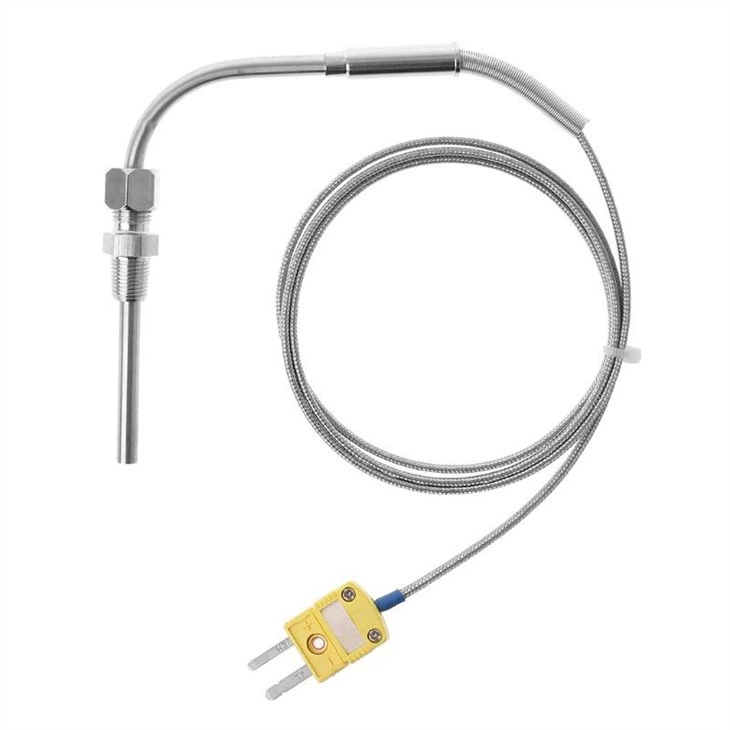
Understanding EGT Thermocouple Sensors
Before we explore their use in waste incinerators, let’s first understand what EGT thermocouple sensors are. A thermocouple is a temperature – measuring device composed of two different metals joined at one end. When there is a temperature difference between the junction (hot end) and the other end (cold end), a voltage is generated. This voltage is proportional to the temperature difference, allowing us to measure the temperature accurately.
EGT thermocouple sensors are specifically designed for measuring exhaust gas temperatures. They are commonly used in automotive, aerospace, and industrial applications where high – temperature exhaust gases need to be monitored. These sensors are known for their fast response times, high accuracy, and reliability in harsh environments.
Technical Requirements of Waste Incinerators
Waste incinerators are complex industrial facilities designed to burn waste materials efficiently and safely. The temperature inside an incinerator can vary significantly depending on the type of waste being burned, the combustion process, and the location within the incinerator.
Typically, waste incinerators operate at temperatures ranging from 800°C to 1200°C (1472°F to 2192°F). At these high temperatures, the combustion process must be carefully controlled to ensure complete combustion of the waste, minimize the formation of harmful pollutants such as dioxins and furans, and maintain the structural integrity of the incinerator.
In addition to high temperatures, waste incinerators also expose sensors to a corrosive environment. The exhaust gases contain various chemicals, including sulfur dioxide, nitrogen oxides, and particulate matter, which can corrode the sensor materials over time.
Can EGT Thermocouple Sensors Be Used in Waste Incinerators?
The short answer is yes, EGT thermocouple sensors can be used in waste incinerators, but with some considerations.
Temperature Compatibility
Most standard EGT thermocouple sensors are designed to handle temperatures within a certain range. For example, Type K thermocouples, which are commonly used in industrial applications, can measure temperatures up to approximately 1260°C (2300°F). This makes them suitable for most waste incinerator applications, as the typical operating temperatures fall within this range.
However, it is important to note that the long – term exposure to high temperatures can affect the accuracy and lifespan of the thermocouple. Over time, the metals in the thermocouple can undergo changes in their physical and chemical properties, leading to drift in the temperature readings. To mitigate this issue, we recommend using high – quality thermocouple materials and proper calibration procedures.
Corrosion Resistance
As mentioned earlier, the exhaust gases in waste incinerators are highly corrosive. To ensure the durability of the EGT thermocouple sensor, it is crucial to select the right materials for the sensor sheath and the thermocouple wires.
Stainless steel is a commonly used material for sensor sheaths due to its good corrosion resistance and mechanical strength. However, in highly corrosive environments, more advanced materials such as Inconel or ceramic may be required. These materials offer superior resistance to corrosion and high – temperature oxidation, extending the lifespan of the sensor.
Installation and Protection
Proper installation of the EGT thermocouple sensor is also essential for its performance in a waste incinerator. The sensor should be installed in a location where it can accurately measure the temperature of the exhaust gases without being affected by direct flame or excessive turbulence.
In addition, a protective sleeve or housing can be used to shield the sensor from physical damage and reduce the impact of corrosive gases. This can help to prolong the life of the sensor and ensure accurate temperature measurements.
Challenges and Solutions
Temperature Gradients
One of the challenges in using EGT thermocouple sensors in waste incinerators is the presence of temperature gradients. The temperature can vary significantly within the incinerator, especially near the combustion zone and the exhaust ducts. This can lead to inaccurate temperature readings if the sensor is not installed in a representative location.
To address this issue, multiple sensors can be installed at different locations within the incinerator to obtain a more comprehensive temperature profile. This data can then be used to optimize the combustion process and ensure uniform temperature distribution.
Calibration and Maintenance
Regular calibration and maintenance are crucial for the accurate and reliable operation of EGT thermocouple sensors in waste incinerators. The harsh environment can cause the sensors to drift over time, leading to inaccurate temperature measurements.
We recommend establishing a regular calibration schedule and using a calibrated reference thermometer to verify the accuracy of the sensors. In addition, the sensors should be inspected regularly for signs of wear, corrosion, or damage, and replaced as needed.
Conclusion

In conclusion, EGT thermocouple sensors can be effectively used in waste incinerators to monitor the exhaust gas temperatures. However, careful consideration must be given to temperature compatibility, corrosion resistance, installation, and maintenance. By selecting the right sensor materials, implementing proper installation techniques, and establishing a regular calibration and maintenance schedule, we can ensure the accurate and reliable operation of the sensors in this challenging environment.
Temperature Gauge If you are in the waste incineration industry and are looking for high – quality EGT thermocouple sensors, we are here to help. Our experienced team can provide you with customized solutions based on your specific requirements. Whether you need sensors for a new installation or replacement parts for an existing system, we can offer the expertise and products to meet your needs. Please feel free to contact us for further discussion and to explore potential partnerships for purchasing our EGT thermocouple sensors.
References
- "Thermocouple Handbook" by Omega Engineering Inc.
- "Waste Incineration Technology" by Springer.
- Industry reports on waste incineration and sensor applications.
Chongqing Haichen Instrument Co., Ltd.
Chongqing Haichen Instrument Co., Ltd. is one of the most professional egt thermocouple sensor manufacturers and suppliers in China for over 20 years, featured by good service and competitive price. Please rest assured to buy high quality egt thermocouple sensor for sale here from our factory. For customized service, contact us now.
Address: No.11 Gusheng Road, Caojie Street, Hechuan District, Chongqing City, P.R. China
E-mail: sales@hcsensor.com
WebSite: https://www.hcsensor.com/
