In the fire protection industry, heavy – duty fire pumps play a crucial role in ensuring the safety of lives and properties. These pumps are designed to deliver large volumes of water at high pressures to effectively combat fires in various settings, such as high – rise buildings, industrial complexes, and large warehouses. However, adjusting the pressure of heavy – duty fire pumps correctly is not only a technical requirement but also a matter of safety. As a heavy – duty fire pumps supplier, I have accumulated rich experience in this field, and I would like to share some insights on how to adjust the pressure of heavy – duty fire pumps. Heavy-duty Fire Pumps
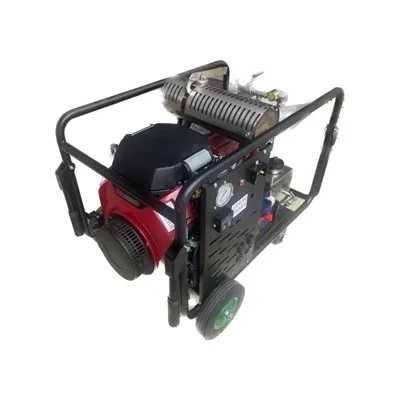
Understanding the Basics of Fire Pump Pressure
Before delving into the adjustment process, it is essential to understand the basic concepts related to fire pump pressure. The pressure of a fire pump is typically measured in pounds per square inch (psi) or bar. The required pressure for a fire – fighting operation depends on several factors, including the height of the building, the length of the hose, and the type of fire suppression system being used.
For instance, in a high – rise building, a higher pressure is needed to overcome the gravitational force and deliver water to the upper floors. In an industrial setting with large open spaces, a high – pressure pump may be required to cover a vast area. The National Fire Protection Association (NFPA) provides standards and guidelines on the minimum pressure requirements for different types of fire protection systems. Adhering to these standards is not only a legal obligation but also a guarantee of effective fire – fighting performance.
Factors Affecting Fire Pump Pressure
Several factors can affect the pressure of heavy – duty fire pumps. Firstly, the design and specifications of the pump itself are significant. Different models of fire pumps have different pressure – generating capabilities. The impeller size, the number of stages in a multi – stage pump, and the motor power all contribute to the pump’s pressure – producing capacity.
Secondly, the condition of the pump and its components also impacts pressure. Worn – out impellers, damaged seals, or clogged intake filters can reduce the pump’s efficiency and lead to a drop in pressure. Regular maintenance and inspection of the pump are necessary to ensure that it operates at its optimal pressure.
Moreover, the characteristics of the water source can affect pressure. If the water source has a low water level or high suction lift, the pump may struggle to draw in water effectively, resulting in reduced pressure. Also, the quality of the water, such as its temperature and the presence of debris, can influence the pump’s performance.
Methods of Adjusting Fire Pump Pressure
1. Throttle Valves
One common method of adjusting the pressure of heavy – duty fire pumps is by using throttle valves. These valves are installed in the discharge line of the pump. By partially closing the throttle valve, the flow rate of the water is restricted, which in turn increases the pressure. Conversely, opening the valve wider reduces the pressure.
However, it is important to note that using throttle valves to adjust pressure has its limitations. Over – throttling can cause the pump to operate outside its recommended range, leading to increased wear and tear, and potentially causing the pump to overheat. Therefore, when using throttle valves for pressure adjustment, it is necessary to monitor the pump’s operating parameters closely.
2. Variable Frequency Drives (VFDs)
Variable Frequency Drives are becoming increasingly popular for adjusting the pressure of heavy – duty fire pumps. A VFD controls the speed of the pump motor by varying the frequency of the electrical power supplied to it. By reducing the motor speed, the pump’s flow rate and pressure decrease; increasing the motor speed has the opposite effect.
The advantage of using VFDs is that they offer a more precise and efficient way of pressure adjustment. They can also help save energy, as the pump can be operated at the minimum speed required to achieve the desired pressure. Additionally, VFDs can protect the pump from sudden starts and stops, which can extend the pump’s service life.
3. Impeller Trimming
In some cases, impeller trimming can be used to adjust the pressure of a fire pump. This involves reducing the diameter of the impeller to decrease the pump’s flow rate and pressure. Impeller trimming should be carried out by a professional, as it requires accurate calculations and skilled machining.
Trimming the impeller too much can cause the pump to operate inefficiently, while trimming too little may not achieve the desired pressure reduction. Therefore, it is crucial to have a thorough understanding of the pump’s performance curve and the specific requirements of the fire – fighting system before proceeding with impeller trimming.
Steps for Pressure Adjustment
Step 1: Assess the System Requirements
The first step in adjusting the pressure of a heavy – duty fire pump is to assess the specific requirements of the fire – protection system. This includes determining the required flow rate and pressure based on the building’s height, the number of sprinklers or hydrants, and the type of fire – fighting equipment being used. Refer to the NFPA standards and the design specifications of the fire – protection system to ensure compliance.
Step 2: Check the Pump’s Condition
Before making any pressure adjustments, it is vital to check the condition of the pump. Inspect the impeller, seals, bearings, and intake filters for signs of wear or damage. Clean or replace any clogged filters and repair or replace any worn components. A well – maintained pump is more likely to operate at the desired pressure.
Step 3: Choose the Appropriate Adjustment Method
Based on the assessment of the system requirements and the pump’s condition, choose the most suitable method for pressure adjustment. If a small adjustment is needed and the pump has a throttle valve installed, this may be a quick and simple solution. For more precise and energy – efficient control, consider using a VFD. Impeller trimming is a more permanent solution and should be reserved for cases where a significant and long – term pressure adjustment is required.
Step 4: Make the Adjustment
Once the adjustment method has been chosen, carefully make the necessary changes. If using a throttle valve, adjust the valve position gradually while monitoring the pressure gauge. If using a VFD, follow the manufacturer’s instructions to set the appropriate frequency and speed for the motor. When trimming the impeller, ensure that the machining is done accurately and that the pump is reassembled correctly.
Step 5: Test and Monitor
After making the pressure adjustment, test the pump to ensure that it is operating at the desired pressure. Check the flow rate, pressure, and other operating parameters, such as motor current and temperature. Continuously monitor the pump’s performance over time to ensure that the pressure remains stable and that the pump is functioning properly.
Importance of Professional Installation and Maintenance
Adjusting the pressure of heavy – duty fire pumps is a complex task that requires specialized knowledge and skills. Professional installation of the pump and its associated components, such as throttle valves and VFDs, is crucial to ensure proper functioning and safety. Only trained and certified technicians should perform maintenance and pressure adjustment on fire pumps.
Regular maintenance of the pump is also essential to keep it in good working condition and to prevent pressure – related problems. This includes routine inspections, lubrication of moving parts, and replacement of worn components. By investing in professional installation and maintenance, you can ensure the reliability and longevity of your heavy – duty fire pump.
Conclusion
Adjusting the pressure of heavy – duty fire pumps is a critical process that requires a comprehensive understanding of the pump’s operation, the fire – protection system requirements, and the available adjustment methods. As a heavy – duty fire pumps supplier, I am committed to providing high – quality pumps and professional advice on pressure adjustment and maintenance.
Chainsaw If you are in need of heavy – duty fire pumps or have any questions regarding pressure adjustment, I encourage you to contact me for a detailed discussion. Our team of experts can help you select the most suitable pump for your specific needs and ensure that it is installed and adjusted correctly. Together, we can enhance the fire – protection capabilities of your facilities and safeguard lives and properties.
References
- National Fire Protection Association (NFPA). NFPA 20: Standard for the Installation of Stationary Pumps for Fire Protection.
- Hydraulic Institute. ANSI/HI 1.1 – 1.6: Rotodynamic Pumps – For Design and Application.
Zhenjiang Linhao Forest Fire Prevention Equipment Co., Ltd.
Zhenjiang Linhao Forest Fire Prevention Equipment Co., Ltd. is one of the most reliable manufacturers and suppliers of heavy-duty fire pumps in China, featured by quality products and low price. Please rest assured to wholesale customized heavy-duty fire pumps from our factory. Contact us for quotation and free sample.
Address: No.16,Fenghuangshan Road, Runzhou District, Zhenjiang City, Jiangsu Province
E-mail: lh@lhfirefighting.com
WebSite: https://www.lhfirefighting.com/
