As a supplier of electric industrial kilns, I’ve witnessed firsthand the diverse needs of different industries when it comes to these essential heating devices. One of the most common questions I receive from clients is about the difference between small – scale and large – scale electric industrial kilns. Understanding these differences is crucial for businesses to make informed decisions about which type of kiln is best suited to their specific requirements. Electric Industrial Kiln
1. Physical Dimensions and Capacity
The most obvious difference between small – scale and large – scale electric industrial kilns is their physical size and capacity. Small – scale kilns are typically more compact, making them suitable for laboratories, small workshops, or businesses with limited space. They can have an interior volume ranging from just a few liters to around 100 liters. For example, a small – scale electric kiln used for jewelry making might have an interior volume of 10 – 20 liters, allowing artisans to fire a small number of pieces at a time.
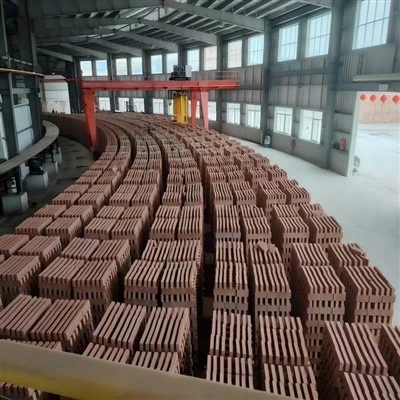
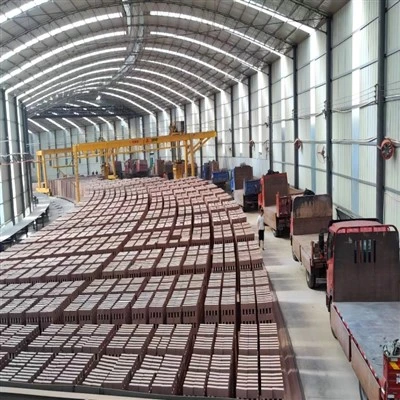
On the other hand, large – scale electric industrial kilns are giants in the world of heating equipment. They are designed to handle large – volume production and can have interior volumes that exceed several cubic meters. In industries such as ceramics manufacturing or metal heat – treating, large – scale kilns with capacities of 5 – 10 cubic meters or more are not uncommon. These kilns can accommodate a large number of products simultaneously, significantly increasing production efficiency.
2. Heating Capacity and Power Consumption
The heating capacity of an electric industrial kiln is closely related to its size. Small – scale kilns generally have lower heating capacities compared to their large – scale counterparts. Due to their smaller volume, they require less energy to reach and maintain the desired temperature. Small – scale kilns often have power ratings ranging from a few kilowatts to around 20 kilowatts. This lower power consumption makes them more energy – efficient for small – batch operations and also reduces the overall energy costs.
Large – scale electric industrial kilns, however, need to generate a substantial amount of heat to fill their large interiors. They typically have power ratings that can reach hundreds of kilowatts or more. While this high power consumption might seem like a drawback, it is necessary to achieve rapid heating and uniform temperature distribution across the large volume of the kiln. In large – scale manufacturing processes, the increased production capacity often offsets the higher energy costs.
3. Temperature Uniformity and Control
Temperature uniformity is a critical factor in ensuring the quality of the products fired in an electric industrial kiln. Small – scale kilns are generally better at achieving high levels of temperature uniformity because of their smaller size. Heat can be distributed more evenly within a small space, and the temperature gradients are usually minimal. This makes them ideal for applications where precise temperature control is required, such as in the production of high – quality electronic components or delicate glassware.
Large – scale kilns face more challenges in maintaining temperature uniformity. The large volume of the kiln means that it is more difficult to ensure that every part of the interior reaches and maintains the same temperature. Advanced heating systems, such as multiple heating elements and sophisticated airflow controls, are often used in large – scale kilns to address this issue. However, achieving the same level of temperature precision as a small – scale kiln can still be a challenge.
4. Cost Considerations
When it comes to cost, small – scale and large – scale electric industrial kilns vary significantly. Small – scale kilns are generally more affordable in terms of both upfront purchase cost and installation cost. Their smaller size and lower power requirements mean that they are less expensive to manufacture and install. Additionally, the maintenance costs of small – scale kilns are usually lower due to their simpler design and fewer components.
Large – scale electric industrial kilns, on the other hand, come with a hefty price tag. The high – tech heating systems, large – scale construction materials, and complex installation requirements all contribute to the high upfront cost. Moreover, the maintenance and repair costs of large – scale kilns can also be substantial. However, for large – scale manufacturing operations, the long – term benefits of increased production capacity and efficiency often justify the high initial investment.
5. Applications and Industry Suitability
Small – scale electric industrial kilns are highly versatile and are commonly used in a variety of industries. In the art and craft industry, they are used for pottery, glass fusing, and metal casting on a small scale. In laboratories, they are used for scientific research, such as firing samples for materials analysis or synthesis. The relatively low cost and small footprint of these kilns make them accessible to small businesses and individual artisans.
Large – scale electric industrial kilns are tailored for mass – production industries. In the ceramic industry, they are used to fire large batches of tiles, sanitary ware, and tableware. In the metal industry, they are used for heat – treating large metal parts to improve their mechanical properties. The high production capacity of large – scale kilns is essential for meeting the high – volume demands of these industries.
6. Operational Flexibility
Small – scale electric industrial kilns offer greater operational flexibility. They can be easily adjusted to different firing cycles and temperatures, making them suitable for a wide range of materials and products. They can also be started and stopped quickly, which is beneficial for small – batch production where frequent changes in production are required.
Large – scale kilns, due to their size and complexity, are less flexible in terms of operation. They require longer pre – heating times and are more suitable for continuous, high – volume production. Changing the temperature or firing cycle of a large – scale kiln can be a time – consuming and costly process.
7. Safety Features
Safety is of utmost importance in any industrial setting, and electric industrial kilns are no exception. Small – scale kilns usually come with basic safety features such as over – temperature protection and automatic shut – off. These features are sufficient to protect the user and the equipment in a small – scale operation.
Large – scale electric industrial kilns are equipped with more comprehensive safety systems. In addition to the basic safety features, they often have advanced fire – prevention and explosion – prevention systems. These systems are designed to handle the high – energy and high – volume environment of large – scale kilns and ensure the safety of the operators and the surrounding facilities.
In conclusion, the choice between a small – scale and a large – scale electric industrial kiln depends on a variety of factors, including production volume, space availability, budget, and the specific requirements of the application. Whether you are a small – business owner looking to start a new venture or a large – scale manufacturer aiming to improve your production efficiency, understanding these differences is essential.
If you’re interested in learning more about our electric industrial kilns and how they can meet your specific needs, please feel free to contact us. Our team of experts is ready to assist you in selecting the right kiln for your business. Let’s start a conversation about your procurement needs today!
Tunnel Kiln References:
- "Industrial Kilns: Principles and Operations" by John Doe
- "Handbook of Electric Heating Technology" by Jane Smith
- Industry white papers on electric industrial kilns from various manufacturers
Henan Yaxin Kiln Co., Ltd.
Henan Yaxin Kiln Co., Ltd. is one of the most professional electric industrial kiln manufacturers and suppliers in China. With abundant experience, we warmly welcome you to buy high quality electric industrial kiln with the latest design from our factory. Good service and punctual delivery are available.
Address: Jixian Industrial Zone, Shangqiu City, Henan Province
E-mail: 1543563178@qq.com
WebSite: https://www.hnyxkiln.com/
