Yo! I’m a supplier of dolomite powder. You might be wondering what the heck this white powdery stuff can do in water treatment. Well, let me break it down for you. Dolomite Powder
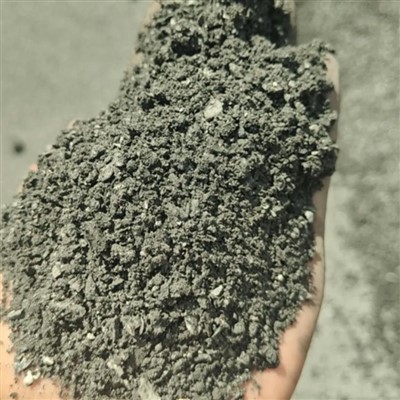
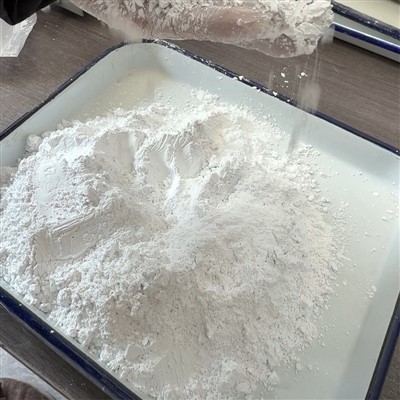
First off, what’s dolomite powder anyway? Dolomite is a sedimentary rock made up mainly of the mineral dolomite, which is a calcium magnesium carbonate. When we grind it down into a fine powder, we get this super – useful substance that has some great properties for cleaning up water.
One big thing it does is adjust the pH level of water. A lot of industrial processes produce acidic wastewater. This acidic water can be a real pain because it can corrode pipes, harm aquatic life if it gets into natural water bodies, and mess up water treatment equipment. Dolomite powder comes to the rescue here. It’s alkaline in nature. When you add it to acidic water, a chemical reaction happens. The calcium and magnesium carbonates in the dolomite react with the hydrogen ions in the acid. For example, calcium carbonate (CaCO₃) in the dolomite reacts with hydrochloric acid (HCl) like this:
CaCO₃ + 2HCl → CaCl₂+ H₂O + CO₂
This reaction neutralizes the acid in the water, bringing the pH closer to a neutral level. Most water treatment systems work best when the pH is around 7, and dolomite powder helps us achieve that. It’s like a natural pH buffer that keeps the water in the sweet spot for further treatment steps.
Another cool thing about dolomite powder in water treatment is its ability to remove heavy metals. Heavy metals such as lead, cadmium, and copper are often found in industrial wastewater. These metals are extremely toxic, even in small amounts. They can cause all sorts of health problems in humans and animals if they end up in the water supply.
Dolomite powder has a high affinity for these heavy metals. The surface of the dolomite particles has a negative charge. Heavy metal ions are positively charged. So, through a process called ion exchange and adsorption, the heavy metal ions stick to the surface of the dolomite particles. For instance, lead ions (Pb²⁺) in the water can replace the calcium or magnesium ions on the dolomite surface. This way, the heavy metals are removed from the water and get trapped in the dolomite powder. After that, the powder with the heavy metals can be separated from the water, usually by sedimentation or filtration.
It also plays a role in turbidity removal. Turbidity is basically how cloudy the water is, and it’s caused by suspended particles like clay, silt, and organic matter. Dolomite powder can act as a coagulant aid. When we add it to water, it helps the small suspended particles clump together. The calcium and magnesium ions in the dolomite can neutralize the negative charges on the surface of the suspended particles. Normally, these negative charges make the particles repel each other, so they stay suspended in the water. But when the charges are neutralized, the particles can come closer and form larger aggregates. These larger aggregates are easier to settle out or filter, reducing the turbidity of the water.
In addition to treating industrial wastewater, dolomite powder is also used in drinking water treatment. In areas where the water source has a low alkalinity, adding dolomite powder can increase the alkalinity of the water. This is important because it helps protect the pipes from corrosion. Corroded pipes can release harmful substances into the drinking water, so keeping the water slightly alkaline is a good way to prevent that.
Moreover, the use of dolomite powder in water treatment is cost – effective. It’s a widely available and relatively inexpensive material compared to some other water treatment chemicals. It’s also environmentally friendly. Being a natural product, it doesn’t introduce a lot of harmful by – products into the water. And once it’s been used in water treatment, the spent dolomite can sometimes be recycled or used in other industries, like in fertilizer production or construction.
Now, the dosage of dolomite powder in water treatment depends on a few factors. The pH and turbidity of the water, the concentration of heavy metals, and the specific type of water treatment process all matter. Generally, we start with a small amount and then test the water to see how well it’s working. If the water isn’t reaching the desired quality, we can add a bit more.
One thing to keep in mind is that we do need to make sure the dolomite powder is of good quality. Impurities in the powder can affect its performance in water treatment. For example, if there are high levels of silica or other non – reactive minerals in the dolomite, it won’t work as effectively. So, we go through strict quality control processes to ensure that our dolomite powder meets the necessary standards.
In summary, dolomite powder is a real multi – tasker in water treatment. It can adjust pH, remove heavy metals, reduce turbidity, and increase alkalinity. It’s cost – effective and environmentally friendly. Whether you’re running an industrial plant that needs to treat its wastewater, or you’re involved in a drinking water treatment facility, dolomite powder can be a great solution for you.
If you’re interested in learning more about how dolomite powder can work for your water treatment needs, or if you want to discuss a potential purchase, don’t hesitate to reach out. I’m here to answer any questions you might have and help you figure out the best way to use our top – quality dolomite powder in your operations.
Dolomite Powder References
- Stumm, W., & Morgan, J. J. (1996). Aquatic Chemistry: Chemical Equilibria and Rates in Natural Waters. Wiley – Interscience.
- Sawyer, C. N., McCarty, P. L., & Parkin, G. F. (2003). Chemistry for Environmental Engineering and Science. McGraw – Hill.
Chaohu Jirun Energy Conservation and Environmental Protection Technology Co., Ltd.
We’re well-known as one of the leading dolomite powder manufacturers and suppliers in China, also support customized service. Welcome to wholesale high quality dolomite powder in stock here from our factory. If you have any enquiry about pricelist, please feel free to email us.
Address: No. 9, north of the intersection of Weihai Road and Weili Avenue, within the industrial park of Yinping Town, Chaohu City, Hefei City, Anhui Province.
E-mail: 13305654485@163.com
WebSite: https://www.chaohujirun.com/
