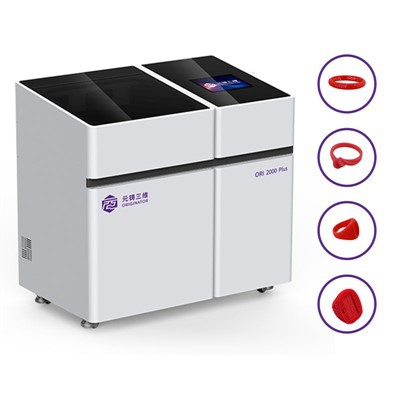
In the dynamic realm of art and design, the pursuit of innovation and precision is a constant journey. Artists and creators are always on the lookout for new tools and technologies that can bring their imaginative concepts to life with greater fidelity and efficiency. One such technological advancement that has been making waves in recent years is the wax 3D printer. As a wax 3D printer supplier, I have witnessed firsthand the transformative potential of this technology in the realm of art projects. In this blog post, I will explore the capabilities of wax 3D printers in printing wax models for art projects, discussing their advantages, challenges, and real-world applications. Wax 3D Printer
The Basics of Wax 3D Printing
Before delving into the suitability of wax 3D printers for art projects, it is essential to understand the fundamental principles of wax 3D printing. Wax 3D printing is a form of additive manufacturing that involves the layer-by-layer deposition of wax material to create a three-dimensional object. There are several types of wax 3D printing technologies available, including Fused Deposition Modeling (FDM), Stereolithography (SLA), and Digital Light Processing (DLP). Each technology has its unique characteristics and is suitable for different applications.
Fused Deposition Modeling (FDM) is the most common type of 3D printing technology. It works by melting a thermoplastic wax filament and extruding it through a nozzle to create a layer of the object. The process is repeated layer by layer until the entire object is created. FDM wax 3D printers are relatively affordable and easy to use, making them a popular choice for hobbyists and small-scale art projects.
Stereolithography (SLA) and Digital Light Processing (DLP) are more advanced 3D printing technologies that use a liquid resin instead of a solid filament. In SLA, a laser is used to selectively cure the resin layer by layer, while DLP uses a projector to project a pattern of light onto the resin to harden it. These technologies offer higher resolution and precision than FDM, making them suitable for more complex and detailed art projects.
Advantages of Wax 3D Printing for Art Projects
Wax 3D printing offers several advantages over traditional methods of creating wax models for art projects. Here are some of the key benefits:
Precision and Accuracy
3D printing technology allows for the creation of highly detailed and accurate wax models. With the ability to control the deposition of wax material at a microscopic level, artists can achieve intricate designs and complex geometries that would be difficult or impossible to create using traditional methods. This precision is particularly important for art projects that require fine details, such as jewelry, sculptures, and architectural models.
Customization and Flexibility
One of the greatest advantages of 3D printing is its ability to create customized objects. Artists can design their wax models using 3D modeling software and then print them on a wax 3D printer. This allows for endless possibilities for customization, as artists can easily modify the design of their models to suit their specific needs and preferences. Additionally, 3D printing enables the creation of multiple copies of the same model, making it ideal for mass production or limited edition artworks.
Time and Cost Efficiency
Traditional methods of creating wax models, such as carving or molding, can be time-consuming and expensive. 3D printing, on the other hand, offers a more efficient and cost-effective solution. Once the design is created, the wax model can be printed in a matter of hours or days, depending on the size and complexity of the model. This significantly reduces the production time and allows artists to bring their ideas to market more quickly. Additionally, 3D printing eliminates the need for costly molds and tooling, making it a more affordable option for small-scale art projects.
Material Compatibility
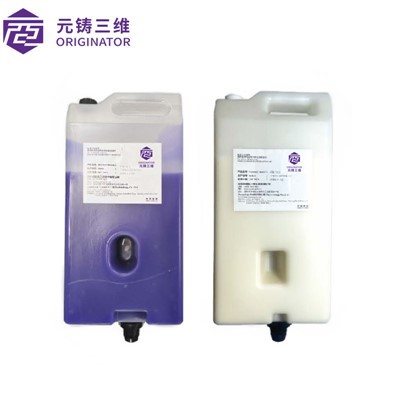
Wax 3D printers are compatible with a variety of wax materials, each with its unique properties and characteristics. Artists can choose the wax material that best suits their specific application, taking into account factors such as melting point, hardness, and color. This flexibility allows artists to create wax models that are not only aesthetically pleasing but also functional and durable.
Challenges and Limitations of Wax 3D Printing for Art Projects
While wax 3D printing offers several advantages for art projects, it also has some challenges and limitations that artists need to be aware of. Here are some of the key challenges:
Printing Resolution
The resolution of a 3D printer refers to the level of detail that can be achieved in the printed object. While wax 3D printers have come a long way in terms of resolution, they still may not be able to match the level of detail that can be achieved using traditional methods such as hand carving. This can be a limitation for art projects that require extremely fine details.
Surface Finish
The surface finish of a 3D printed wax model can be rough or textured, depending on the printing technology and the settings used. This may require additional post-processing steps, such as sanding or polishing, to achieve a smooth and finished look. These post-processing steps can add time and cost to the production process.
Material Limitations
While wax 3D printers are compatible with a variety of wax materials, the selection of materials may be limited compared to traditional wax modeling materials. This can be a limitation for artists who require specific properties or characteristics in their wax models.
Cost of Equipment and Materials
Wax 3D printers can be expensive, especially the more advanced models that offer higher resolution and precision. Additionally, the cost of wax materials can also be relatively high, depending on the type and quality of the material. This can be a barrier for artists who are working on a tight budget.
Real-World Applications of Wax 3D Printing in Art Projects
Despite the challenges and limitations, wax 3D printing has found numerous real-world applications in the art world. Here are some examples of how artists are using wax 3D printers to create stunning art projects:
Jewelry Design
Wax 3D printing has revolutionized the jewelry design industry. Jewelry designers can use 3D modeling software to create intricate and detailed jewelry designs, which can then be printed on a wax 3D printer. The printed wax models can be used to create molds for casting precious metals, such as gold and silver, resulting in high-quality and unique jewelry pieces.
Sculpture and Figurine Creation
Sculptors and figurine artists can use wax 3D printing to create detailed and accurate models of their sculptures. The printed wax models can be used as a starting point for further sculpting and casting, allowing artists to bring their creative visions to life with greater precision and efficiency.
Architectural Modeling
Architects and designers can use wax 3D printing to create detailed and accurate architectural models. The printed wax models can be used to visualize the design of a building or structure, allowing architects to test different design concepts and make informed decisions before construction begins.
Art Installation and Exhibition
Wax 3D printing can be used to create large-scale art installations and exhibitions. Artists can print multiple copies of the same object or create complex and intricate structures using wax 3D printing technology. These art installations and exhibitions can be used to showcase the artist’s creativity and innovation, as well as to engage and inspire the audience.
Conclusion
In conclusion, wax 3D printers have the potential to revolutionize the way artists create wax models for art projects. With their precision, customization, time and cost efficiency, and material compatibility, wax 3D printers offer a range of benefits that make them an attractive option for artists and designers. While there are some challenges and limitations associated with wax 3D printing, these can be overcome with proper planning, technique, and equipment selection.
MJP 3D Printer As a wax 3D printer supplier, I am committed to providing artists and designers with the highest quality wax 3D printers and materials, as well as the support and expertise they need to succeed. If you are an artist or designer interested in exploring the possibilities of wax 3D printing for your art projects, I encourage you to contact us to discuss your needs and learn more about our products and services. We look forward to working with you to bring your creative visions to life.
References
- Gibson, I., Rosen, D. W., & Stucker, B. (2010). Additive manufacturing technologies: rapid prototyping to direct digital manufacturing. New York: Springer.
- Hopson, R., & Hopkinson, N. (2006). An introduction to rapid prototyping. New York: John Wiley & Sons.
- Wohlers, T. (2017). Wohlers report 2017: 3D printing and additive manufacturing state of the industry. Fort Collins, CO: Wohlers Associates.
Hangzhou Originator 3D Technology Co., Ltd.
Hangzhou Originator 3D Technology Co., Ltd. is one of the most experienced wax 3d printer manufacturers and suppliers in China. With abundant experience, we warmly welcome you to wholesale high quality wax 3d printer made in China here from our factory. Contact us for more details.
Address: Room 403, Building 2, Block B, Heda Incubation Park,No. 452, 6th Avenue, Xiasha, Qiantang District,Hangzhou, Zhejiang, China
E-mail: Sales@originator3d.com
WebSite: https://www.originator3d.com/
