Hey there! As a carbon steel supplier, I often get asked about the blackening treatment on carbon steel. It’s a pretty cool process, and I’m stoked to share how it works with you. Carbon Steel
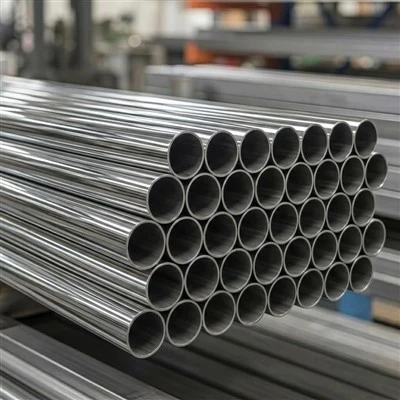
What is Blackening Treatment?
Let’s start with the basics. Blackening treatment is a surface finishing process for carbon steel. The main goal is to form a thin, black oxide layer on the steel surface. This isn’t just for looks; it also offers some practical benefits.
When you see a piece of carbon steel with a black finish, it’s not painted or coated in the traditional sense. The black color comes from a chemical reaction that changes the steel’s surface at a molecular level. This creates a unique, dark appearance that many people find really appealing.
The Chemical Reaction Behind Blackening
So, how does this chemical reaction happen? Well, there are a few different ways to blacken carbon steel, but one of the most common methods is using an alkaline blackening solution.
The solution usually contains sodium hydroxide, sodium nitrite, and other chemicals. When the carbon steel is immersed in this solution, a series of reactions take place. First, the steel reacts with the sodium hydroxide to form iron hydroxide. Then, the sodium nitrite helps convert the iron hydroxide into a black iron oxide, specifically magnetite (Fe₃O₄).
This magnetite layer is what gives the steel its characteristic black color. It’s a very thin layer, usually only a few micrometers thick, but it’s strong enough to provide some protection to the underlying steel.
The Process Step by Step
Let’s break down the blackening process into steps:
1. Cleaning
Before the blackening treatment can begin, the carbon steel needs to be thoroughly cleaned. Any dirt, grease, or rust on the surface can interfere with the chemical reaction. So, we use a degreaser to remove the grease and a pickling solution to get rid of any rust. This ensures that the blackening solution can react directly with the clean steel surface.
2. Rinsing
After cleaning, the steel is rinsed with water to remove any remaining cleaning agents. This is important because if there are any traces of the cleaning chemicals left on the surface, they could react with the blackening solution and affect the quality of the blackening.
3. Blackening
Now comes the main event. The cleaned and rinsed steel is immersed in the alkaline blackening solution. The temperature and time of immersion are crucial. Usually, the solution is kept at a relatively high temperature, around 135 – 150°C (275 – 302°F), and the steel is left in the solution for 10 – 30 minutes. The exact time depends on the type of steel and the desired thickness of the black oxide layer.
4. Rinsing Again
Once the blackening process is complete, the steel is rinsed again with water to remove any excess blackening solution. This helps prevent the formation of any unwanted deposits on the surface.
5. Post – Treatment
After rinsing, a post – treatment is often applied. This can be a light oil coating or a wax finish. The post – treatment helps to further protect the black oxide layer and improve its corrosion resistance.
Benefits of Blackening Treatment
Now, you might be wondering, why bother with blackening treatment? Well, there are several good reasons:
1. Aesthetics
Let’s face it, a blackened carbon steel looks really sleek and professional. It’s a popular choice for many applications where appearance matters, like in the manufacturing of tools, firearms, and decorative items.
2. Corrosion Resistance
The black oxide layer provides some protection against corrosion. While it’s not as effective as some other coatings, like galvanizing, it can still slow down the rusting process. This is especially useful in environments where the steel is exposed to mild moisture or humidity.
3. Friction Reduction
In some cases, the blackening treatment can also reduce friction. This can be beneficial in applications where moving parts are made of carbon steel. For example, in machinery, the reduced friction can help improve the efficiency and lifespan of the components.
Limitations of Blackening Treatment
Of course, blackening treatment isn’t perfect. There are some limitations to keep in mind:
1. Limited Corrosion Protection
As I mentioned earlier, the corrosion protection provided by the black oxide layer is limited. In harsh environments, such as those with high humidity, saltwater, or strong chemicals, the steel may still rust over time.
2. Durability
The black oxide layer is relatively thin and can be easily scratched or damaged. If the surface is scratched, the underlying steel is exposed, and corrosion can start. So, in applications where the steel is likely to experience heavy abrasion, additional protection may be needed.
Applications of Blackened Carbon Steel
Blackened carbon steel is used in a wide range of industries. Here are some common applications:
1. Tool Manufacturing
Many hand tools, like wrenches, pliers, and screwdrivers, are made of blackened carbon steel. The black finish not only looks good but also provides a bit of corrosion protection during normal use.
2. Firearms
Firearms often use blackened carbon steel for their barrels, frames, and other components. The black finish gives the gun a classic and professional look, and the corrosion resistance helps to keep the firearm in good condition.
3. Decorative Items
From jewelry to architectural elements, blackened carbon steel is a popular choice for decorative applications. The dark color adds a touch of elegance and sophistication.
Our Role as a Carbon Steel Supplier
As a carbon steel supplier, we play an important part in the blackening treatment process. We provide high – quality carbon steel that is suitable for blackening. We work closely with our customers to understand their needs and recommend the right type of steel for their specific applications.
We also offer some pre – treatment services to ensure that the steel is in the best condition for blackening. This includes proper cleaning and inspection to make sure the surface is free of defects.
If you’re interested in using blackened carbon steel for your project, we’re here to help. We can supply you with the raw carbon steel, and we have a network of reliable partners who can perform the blackening treatment for you.
Conclusion
So, there you have it! That’s how blackening treatment works on carbon steel. It’s a fascinating process that combines chemistry and practical applications. Whether you’re looking for a sleek appearance, some corrosion protection, or friction reduction, blackened carbon steel could be a great choice for your project.
Aluminum Foil If you’re thinking about getting some carbon steel for blackening treatment, or you have any questions about our products and services, don’t hesitate to reach out. We’re always happy to chat and help you find the best solution for your needs.
References
- ASM Handbook Volume 5: Surface Engineering, ASM International
- Metals Handbook Desk Edition, ASM International
Wuxi Jin Ming Jian De Industry & Trade Co., Ltd.
Wuxi Jin Ming Jian De Industry & Trade Co., Ltd. is one of the most professional carbon steel manufacturers and suppliers in China, also supports customized service. With abundant experience, we warmly welcome you to wholesale CE approved carbon steel in stock here from our factory. If you have any enquiry about quotation, please feel free to email us.
Address: 2102-2105, Yuexing Building, Guangnan Road, Liangxi District, Wuxi City, Jiangsu Province, China.
E-mail: info@wxjmjdss.com
WebSite: https://www.jmjdsteelexp.com/
